

The Buddha-Karita Or Life of Buddha
Book Specification
| Item Code: | UBA691 |
| Author: | Asvaghosha And Edward B. Cowell |
| Publisher: | Gyan Publishing House, New Delhi |
| Language: | English and Sanskrit |
| Edition: | 2022 |
| ISBN: | 9788121263665 |
| Pages: | 422 |
| Cover: | PAPERBACK |
| Other Details | 8.50 X 5.50 inch |
| Weight | 470 gm |
Book Description
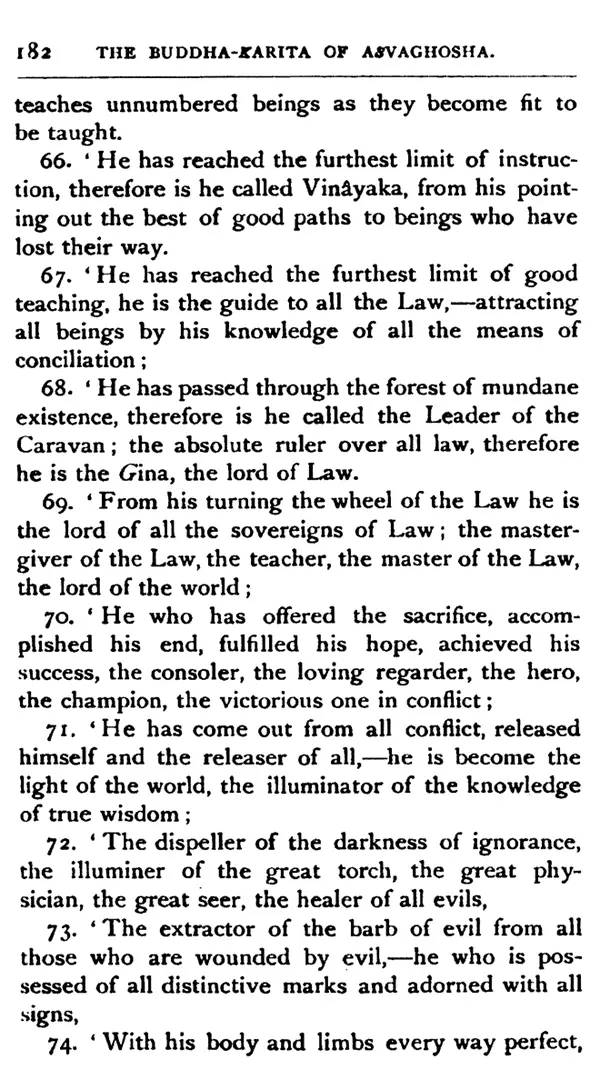
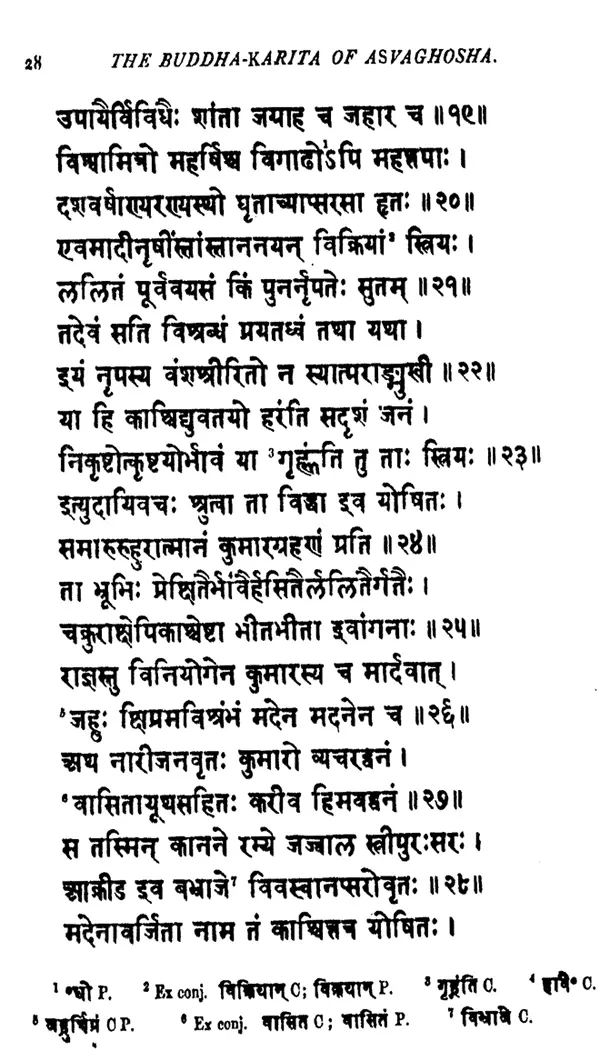
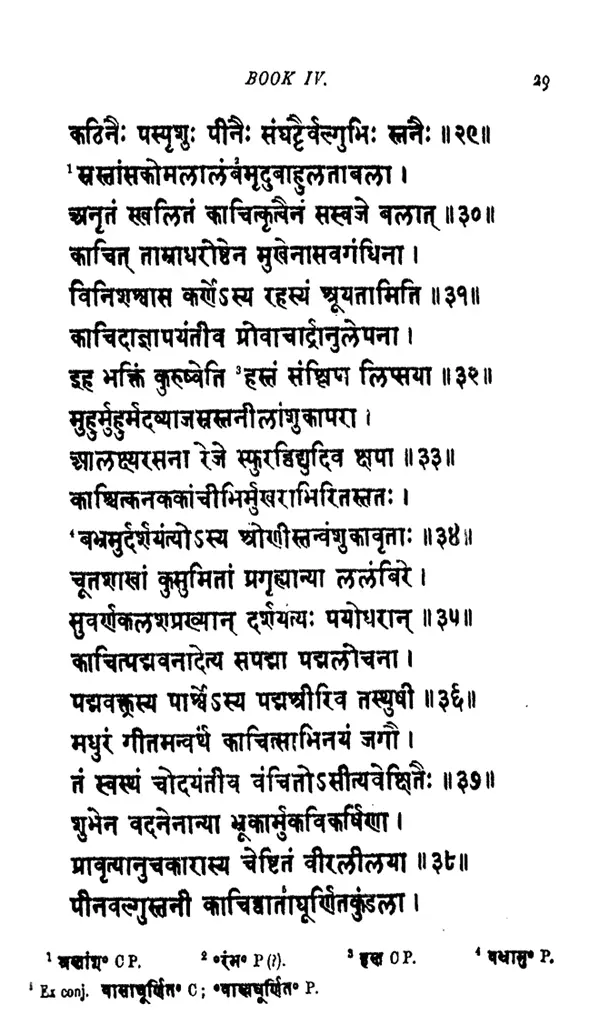
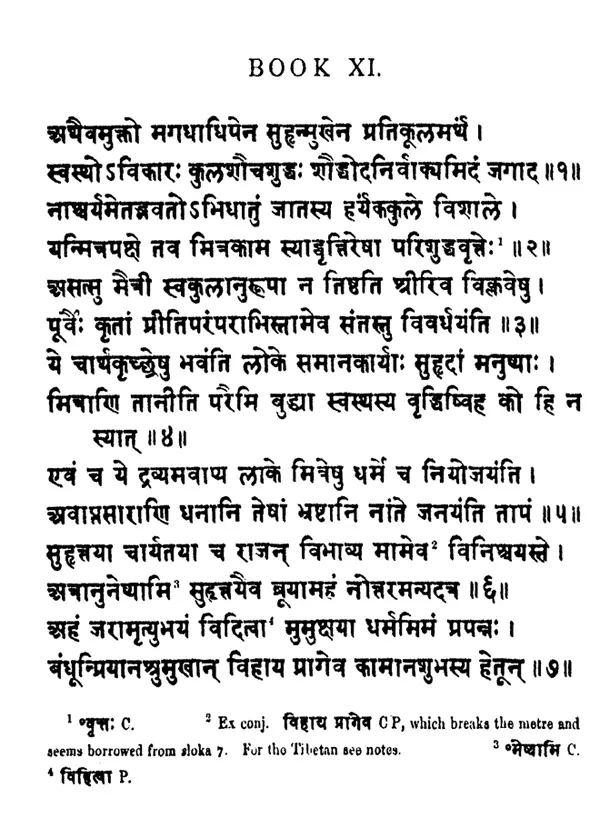
The Sanskrit text of the Buddha- Karita was published in the ‘Anecdota Oxoniensia,’ and the following English translation is now included in the series of ‘sacred Books of the East.’ It is an early Sanskrit poem written in India on the legendary history of Buddha and therefore contains much that is of interest for the history of Buddhism beside its special importance as illustrating the early history of classical Sanskrit literature. It is ascribed to Asvaghosha; and although there were several writers who bore that name it seems most probable that our author was the contemporary and spiritual adviser of Kanishka in the first century of our era.
Asvaghoṣa was a Sarvastivada or Mahasanghika Buddhist philosopher, dramatist, poet and orator from India. He was born in Saketa in northern India which is also known as Ayodhya. He is believed to have been the first Sanskrit dramatist, and is considered the greatest Indian poet prior to Kalidasa. It seems probable that he was the contemporary and spiritual adviser of Kanishka in the first century of our era. He was the most famous in a group of Buddhist court writers, whose epics rivalled the contemporary Ramayana. Whereas much of Buddhist literature prior to the time of Asvaghoṣa had been composed in Pali and Prakrit, Asvaghoṣa wrote in Classical Sanskrit.
The Sanskrit text of the Buddha-karita was published at the beginning of last year in the Anecdota Oxoniensia, and the following English translation is now included in the series of 'Sacred Books of the East. It is an early Sanskrit poem written in India on the legendary history of Buddha, and therefore contains much that is of interest for the history of Buddhism, beside its special import- ance as illustrating the early history of classical Sanskrit literature. It is ascribed to Asvaghosha; and, although there were several writers who bore that name, it seems most probable that our author was the contemporary and spiritual adviser of Kanishka in the first century of our era. Hiouen Thsang, who left India in A. D. 645, mentions him with Deva, Nagârguna, and Kumaralabdha, 'as the four suns which illumine the world¹;' but our fullest account is given by tsing, who visited India in 673. He states that Asvaghosha was an ancient author who composed the Alamkara-sastra and the Buddha-karita-kâvya,-the latter work being of course the present poem. Beside these two works he also composed the hymns in honour of Buddha and the three holy beings Amitabha, Avalokite- svara, and Mahasthâma, which were chanted at the evening service of the monasteries. In the five countries of India and in the countries of the ocean they recite these poems, because they express a store of ideas and meaning in a few words. A solitary stanza (VIII, 13) is quoted from the Buddha-karita in Rayamukuta's commentary on the Amarakosha I, 1. 1, 2, and also by Uggvala- datta in his commentary on the Unâdi-sûtras I, 156; and five stanzas are quoted as from Asvaghosha in Vallabha- deva's Subhashitavali, which bear a great resemblance to his style, though they are not found in the extant portion of this poem.