

Dalit Social Policy and Social Transformation
Book Specification
| Item Code: | UAR670 |
| Author: | Arvind Prakash |
| Publisher: | Edukeen Publisher |
| Language: | English |
| Edition: | 2019 |
| ISBN: | 9789389387025 |
| Pages: | 269 (Throughout B/w Illustrations) |
| Cover: | HARDCOVER |
| Other Details | 9.50 X 6.50 inch |
| Weight | 540 gm |
Book Description
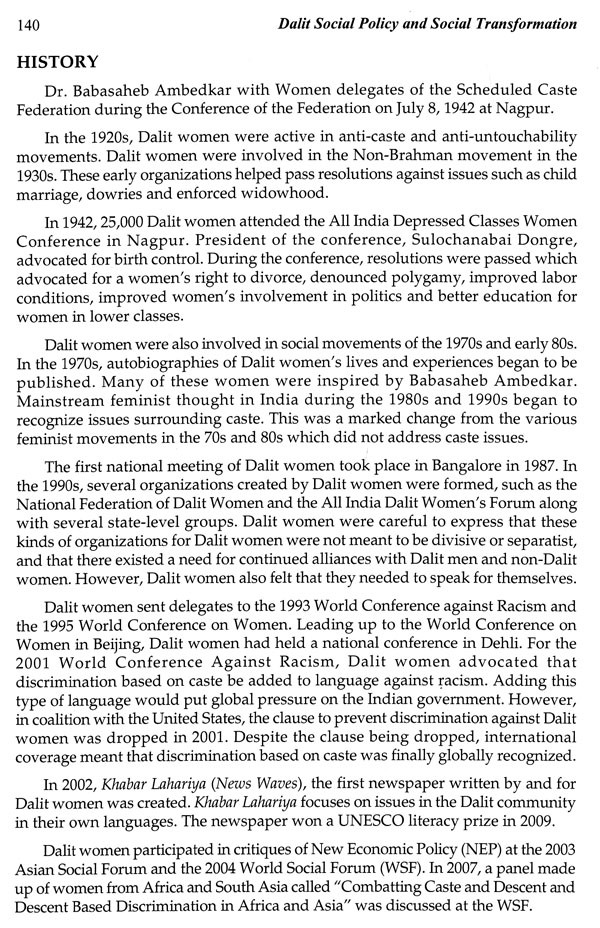
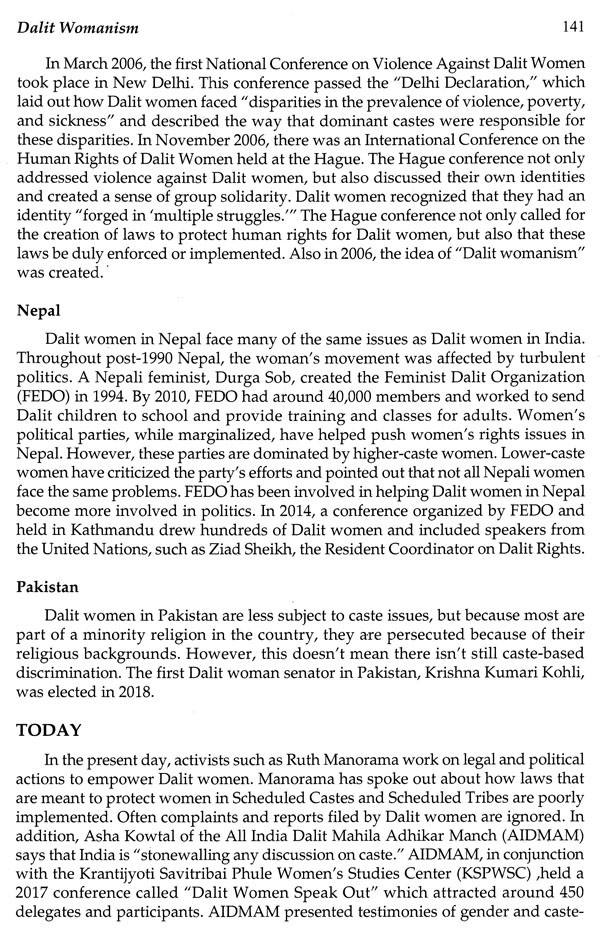
The Indian society based on the traditional exploitative philosophy of "Chaturvarna" had led to an unequal socio-economic power structure. The evils of caste based society under the guiding principal of "Manusmriti written by Manu before thousands years have resulted in a economics and political decision making process over the years which mis-represent the social and economic interest of vast section of population. It can be argued that the notion of "nationalism as propounded by the "Indian National Congress prior to independence contributed negatively and paradoxically to sub nationalism and socio economic retardation of the Bahujan Samaji.e. Scheduled Castes(SCs), Scheduled Tribes (STs), Other Backward Classes (OBCs) and Religious minorities. The members of this very significant part of our society are still languishing under the exploitative impact of a political framework which has an apparent bias in favour of the upper strata of society. In spite of the implicit provisions made for backward classes under Article 340 of the Indian Constitution, the fact is that only 1.2 % of the total rural populations of the SC in the age category of 20 and above are Graduate. Similarly, just 1.1% of the ST populations in rural India are Graduate.
Professor Arvind Prakash is a prolific writer, and has in his credit, 17 books and more than 50 research papers published in various journals and volumes. He is the recipient of Dr. B.R. Ambedkar National Fellowship.
The Indian society based on the traditional exploitative philosophy of of Chaturvama had led to an unequal socio-economic power structure. The evils of caste based society under the guiding principal of Manusmriti written by Manu before thousands years have resulted in a economics and political decision making process over the years which mis-represent the social and economic interest of vast section of population. It can be argued that the notion of nationalism as propounded by the Indian National Congress prior to independence contributed negatively and paradoxically to sub nationalism and socio-economic retardation of the Bahujan Samaj ie Scheduled Castes (SCs), Scheduled Tribes (STS), Other Backward Classes (OBCs) and Religious minorities. The members of this very significant part of our society are still languishing under the exploitative impact of a political framework which has an apparent bias in favour of the upper strata of society. In spite of the implicit provisions made for backward classes under Article 340 of the Indian Constitution, the fact is that only 1.2 % of the total rural populations of the SC in the age category of 20 and above are Graduate. Similarly, just 1.1% of the ST populations in rural India are Graduate. This figure of the total Hindu OBC populations 2.1 %, while that for Muslims is just 1.3%. Hence there seems to be a comprehensive class of deprive populations which includes not only conventionally perceived Dalits i.e. (SCSSTS) but a Bahujan Samaj which comprises SCS, STS, OBCs and Religious Minorities. The idea of Bahujan Samaj Party s is a revolutionary one and widely inclusive that has led to a new socio political order in recent years (since 1984). Any understanding of the nature of socio-economic deprivation of the oppressed is closely linked with the dramatic changes that have taken place in many part of the country. This has a far reaching implication for the dynamics of Indian polity. In my paper I will attempt to understand the new political structure which is emerging in this back ground with special emphasis on the scenario of state of Uttar Pradesh.
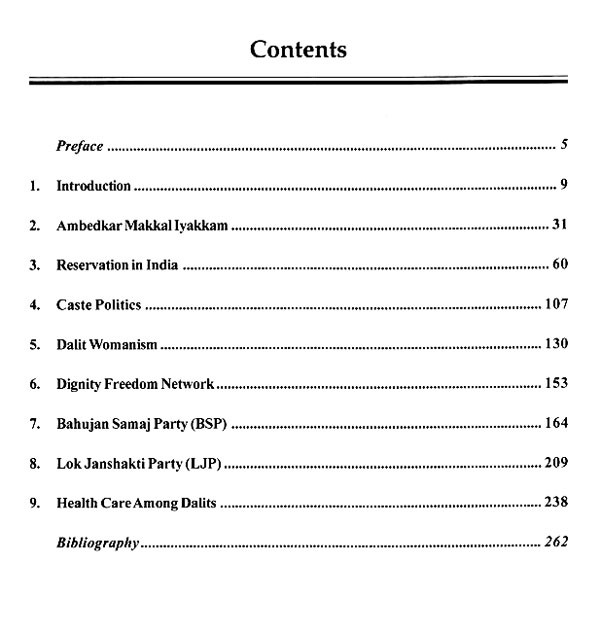
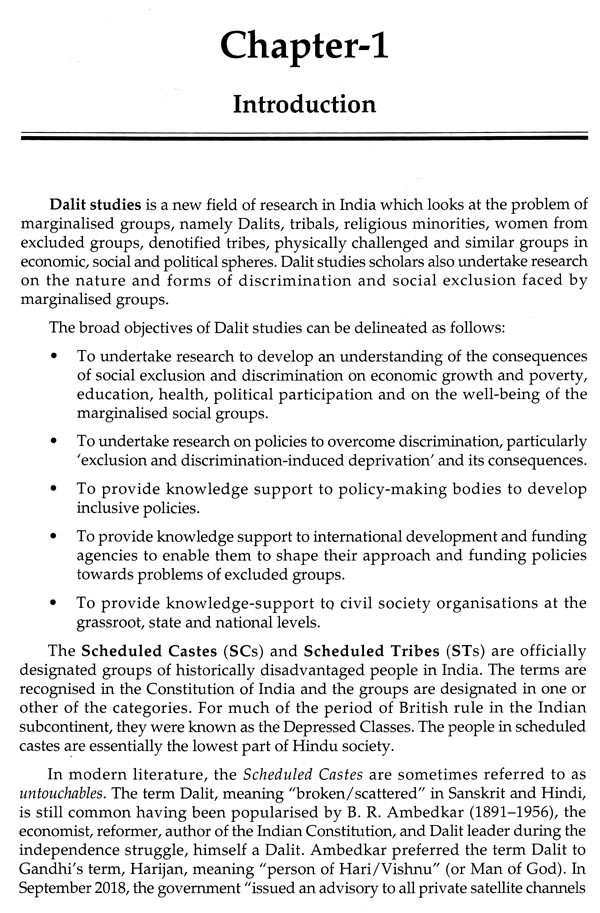
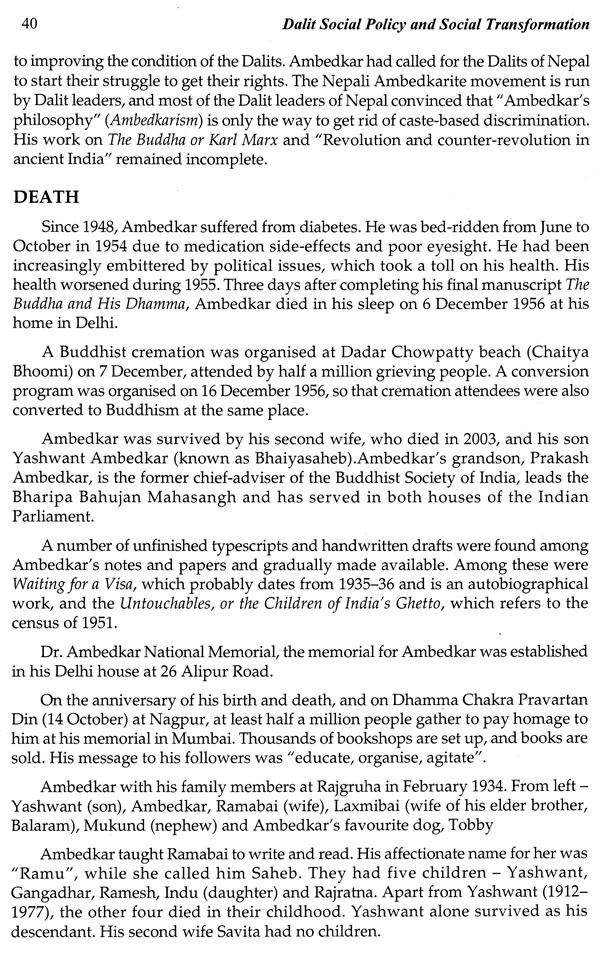
**Contents and Sample Pages**