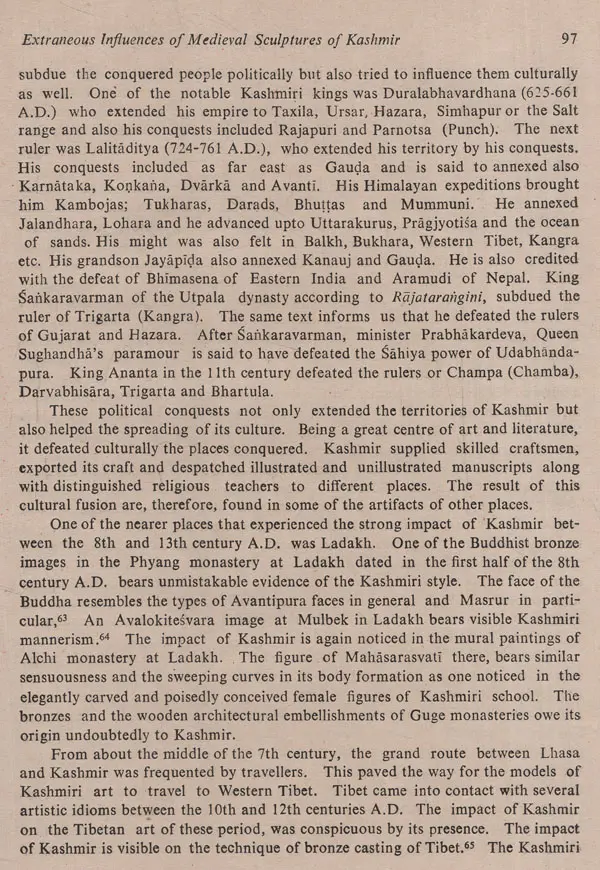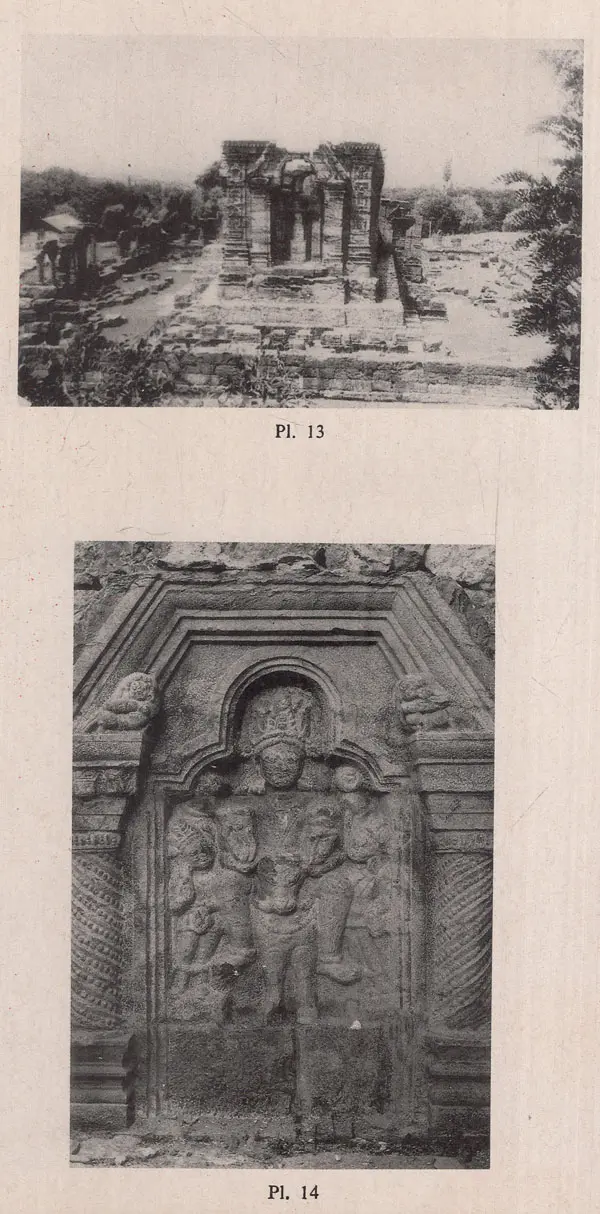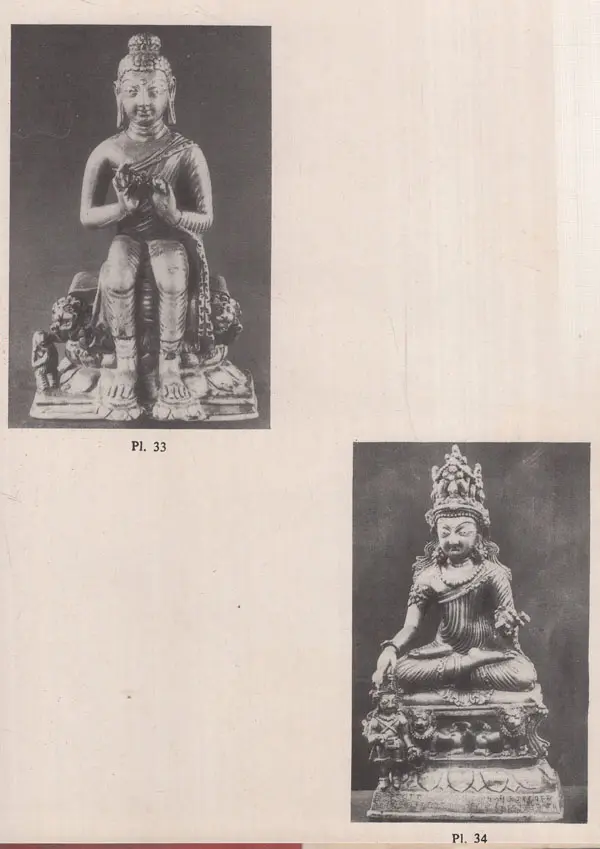


Sculptures of Kashmir: 600-1200 A. D. (An old & Rare Book)
Book Specification
| Item Code: | UAQ120 |
| Author: | Bansilal Malla |
| Publisher: | Agam Kala Prakashan, Delhi |
| Language: | English |
| Edition: | 1990 |
| Pages: | 165 |
| Cover: | HARDCOVER |
| Other Details | 9.60 X 7.50 inch |
| Weight | 590 gm |
Book Description
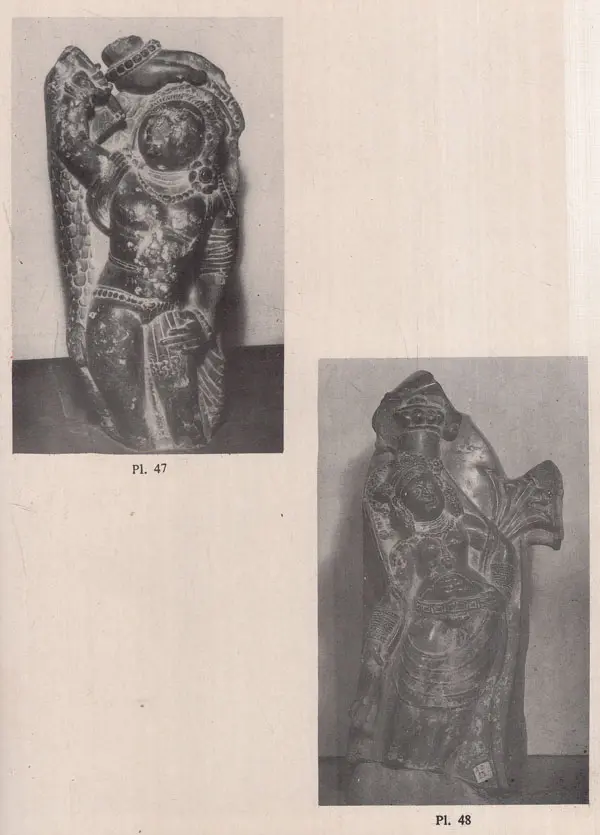
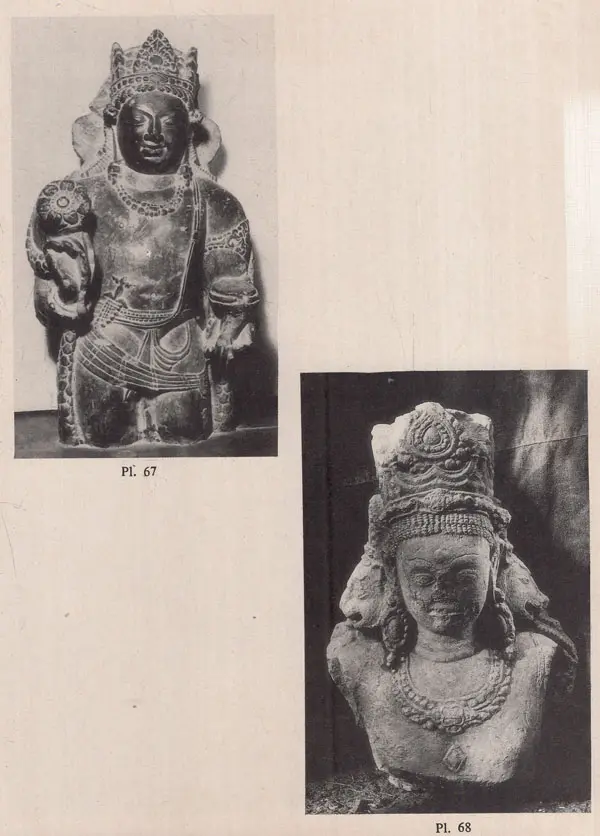
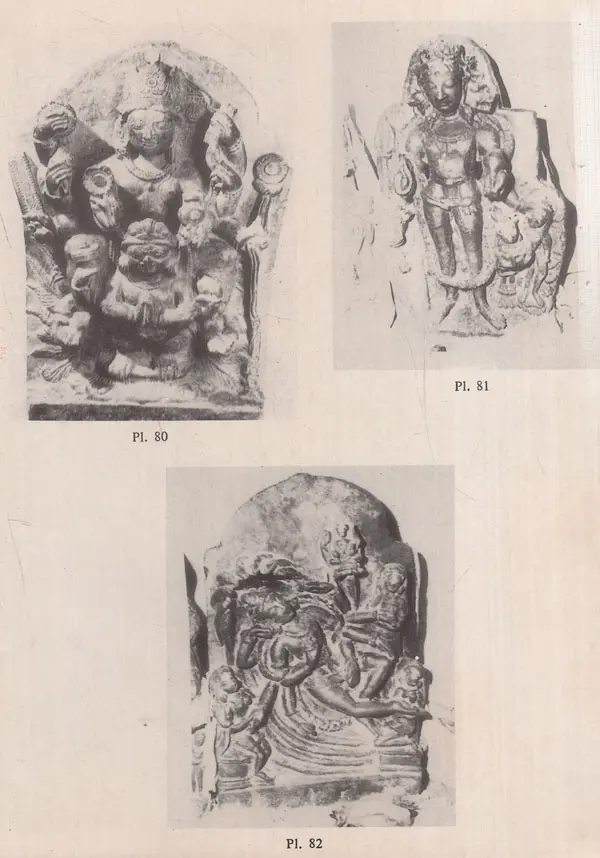
It gives me great pleasure to write a foreword to B.L. Malla's book on the Sculptures of Kashmir (c00-1200 AD). The art and architecture of Kashmir have received the attention of scholars ever since the publication of Illustrations of Ancient Buildings in Kashmir by HH. Cole in 1869. However several works including Kalhana's Rajararangini, and interpretative surveys of the History and culture of Kashmir such as 4 History of Kashmir by PNK. Bamzai; An Early History and Culture of Kashmir by S.C. Ray and Cultural Heritage of Kashmir by S.C. Banerjee have provided a background to the rich artistic heritage of Kashmir. Though the art of Kashmir has not been specifically dealt with in the general accounts of history and culture, it has however been dealt with sporadically by interested scholars in relevant publications. Though somewhat detailed works have appeared in the form of Studies in the History and Art of Kashmir by 11. Goetz, Bronzes of Kashmir by P. Fal, Early Sculpture of Kashmir by P.G. Paul and a work on the Ivories of Kashmir by Motichandra, Malla had attempted a comprehensive work on the sculptures of Kashmir. Apart from the relevant introductory chapters, Malla has dealt with the subject in detail with the historical perspective, and the growth of religious beliefs as the background materials. In regard to the sculptural art of Kashmir he has dealt with hitherto unpublished materials, and treated the subject fully, covering all the important known Indian evidences besides some important evidences abroad The treatment takes note of the iconographic details and the artistic merits in a critical manner. Its principal merit lies in the periodization of the sculptures in chronological-cum stylistic sequence. It shows the gradual ascendancy of the sculptures in point of development as well as its stagnation and decline in keeping with the socio-politi cal changes and the iconographical texts. A reference to the different artistic styles beginning with the artistic style of Gandhara and covering those of the Gupta, Rashtrakuta, Chalukya, the post Gupta, Gurjara Pratihara, and, Pala and Sena, besides the lateral influences of the Scythians and Chinese. Such a treatment can be termed as ideal or near ideal.
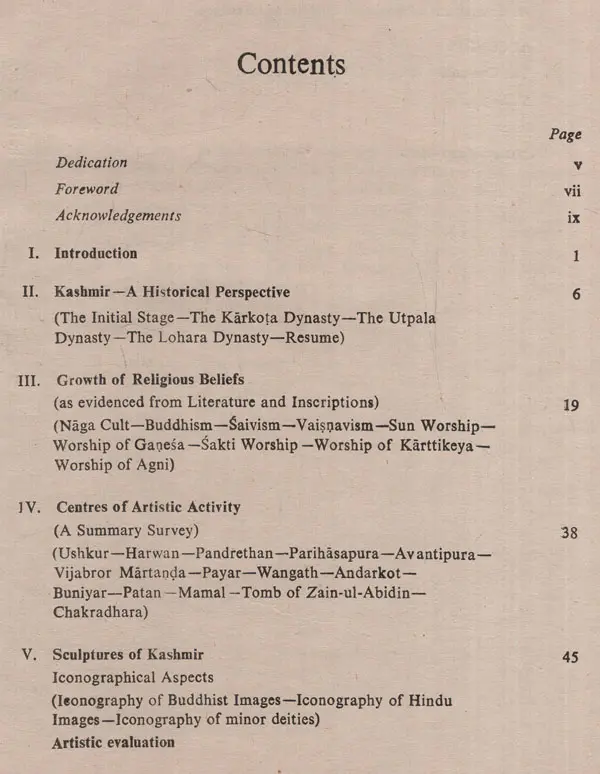
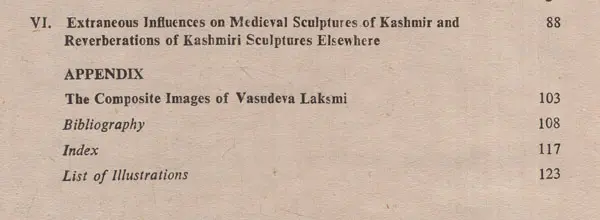
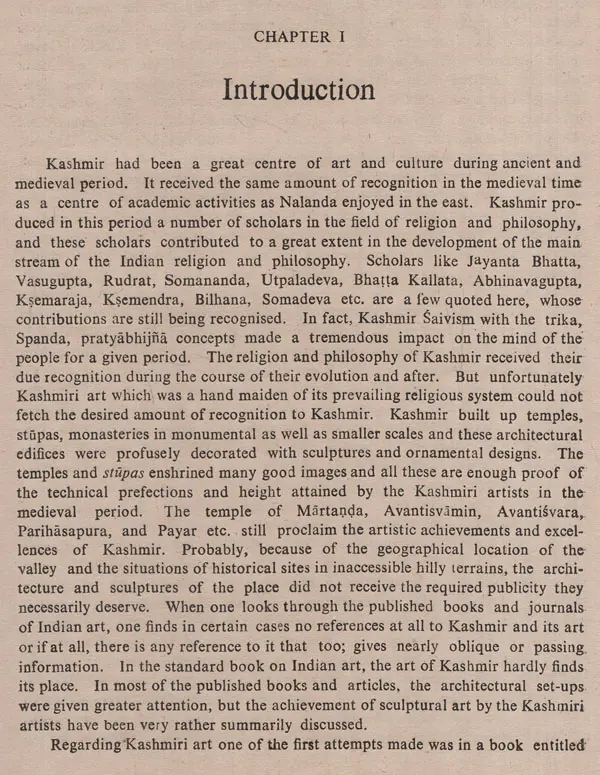
**Contents and Sample Pages**