About the Book Born in July 1933 in a simple and devout Bandai Sikh family in Village Mirnewala also called "Swarga Nagri" (heavenly village), District Jhang (now in Pakistan) Shri Amrit Lal Takkar migrated in 1947 and settled at Bahadurgarh (Haryana) where he had his school education. After a distinguished career in Government with more than 2 decades in the Ministry of Human Resource Development, where he dealt with important matters pertaining to diverse aspects of Culture and Education, he retired as Under Secretary to the Government of India. Shri Takkar is well versed in English, Urdu, Panjabi, Hindi and Persian languages. Since his childhood, under the inspiration and guidance of his saintly parents, he has been deeply interested in Gurbani enshrined in Sikh scriptures.
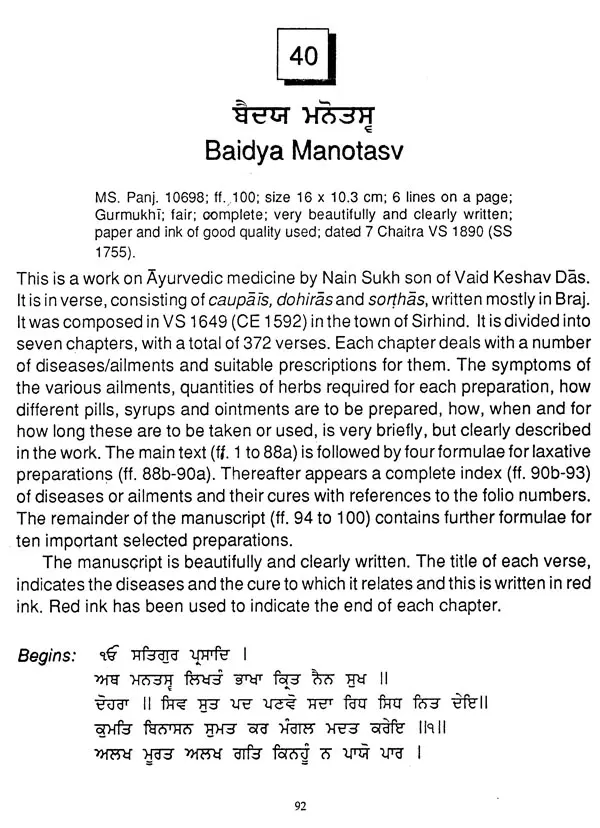
About the Author A.L. Takkar has described the manuscripts with a simple and effective style and with brevity, clarity and precision, and made them intelligible to the lay-man. The scriptural knowledge about the true form of Devotion, Divinity and Divine-Love and the ways of Jivanmukti (liberation during one's life-time) are brought out very clearly. The essence of the Vedanta Philosophy, the truth about the nature of the Supreme Reality and of the nirguna and saguna forms of God-head are clearly explained. One of the manuscripts entitled Baidyamanotsava deals with Ayurveda and health care.
To sum up, the book highlights many important teachings of the Hindu and Sikh scriptures and is most timely.
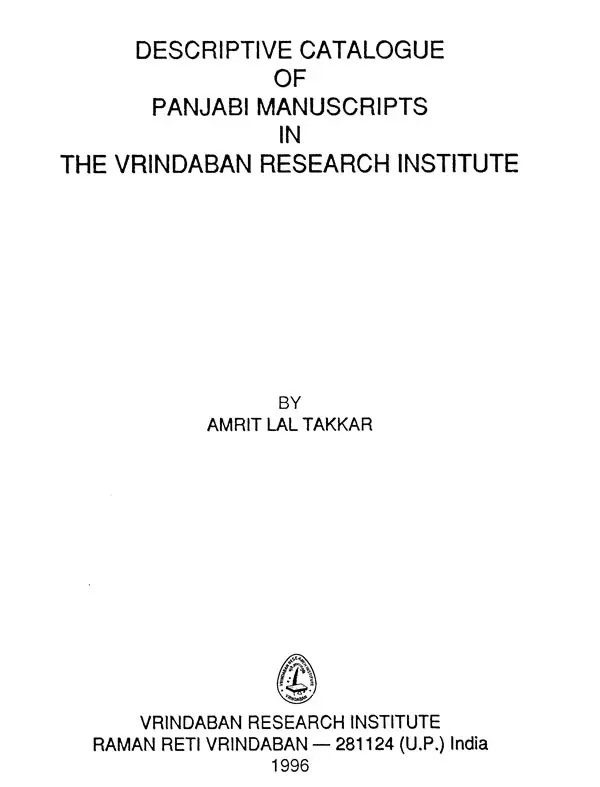
Foreword The Vrindaban Research Institute has established for itself a deservedly high reputation in the international scholarly community for its work in the field of manuscript collection and preservation. Admirable as they are as activities in themselves, the collection and preservation of manuscripts are of little use unless knowledge of the nature and contents of these laboriously saved documents is made public through the publication of lists and catalogues. Here too the Institute has amply fulfilled the expectations that could be made of it. In both regards, I would wish to take this opportunity of paying particular tribute to the pioneering efforts of the Institute's Founder-President, for so many years my departmental colleague here in London, Dr. R. D. Gupta.
Introduction The Vrindaban Research Institute (VRI) is an important research centre for the study of Vaisnava theology and culture. It is recognised as a museum of manuscripts and archival material by the Museums Association of India. Besides, it is approved by the University of Agra as a research centre for the Ph.D degree. Its primary aim is to collect and preserve manuscripts and other cultural objects in the Braj area. The Institute has become famous for doing sterling work in collecting and conserving rare and valuable manuscripts. Its activities are sponsored and administered by an autonomous body, viz. the Vrindaban Research Society through a Governing Council. The Society is headed by Founder-President Dr. R.D. Gupta who is a well- known scholar of Indology. serving in the University of London (U.K.) and is also a philanthropist.
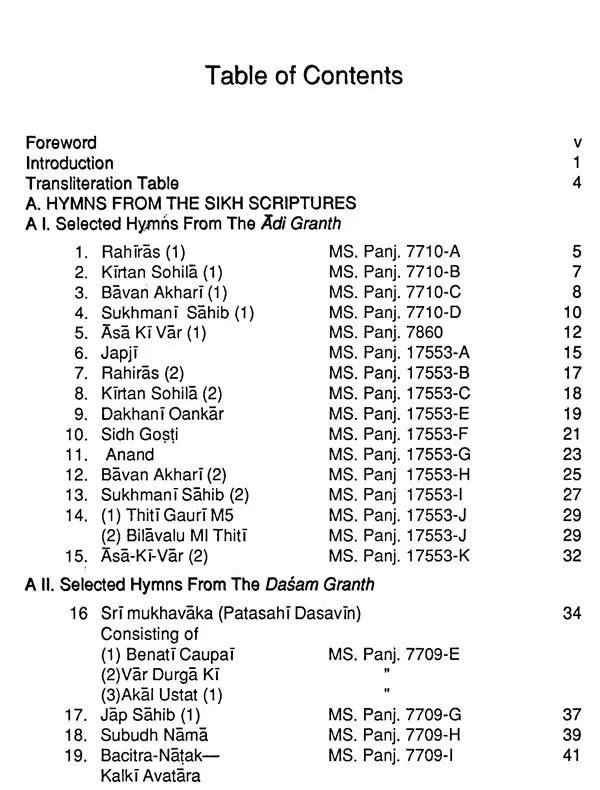
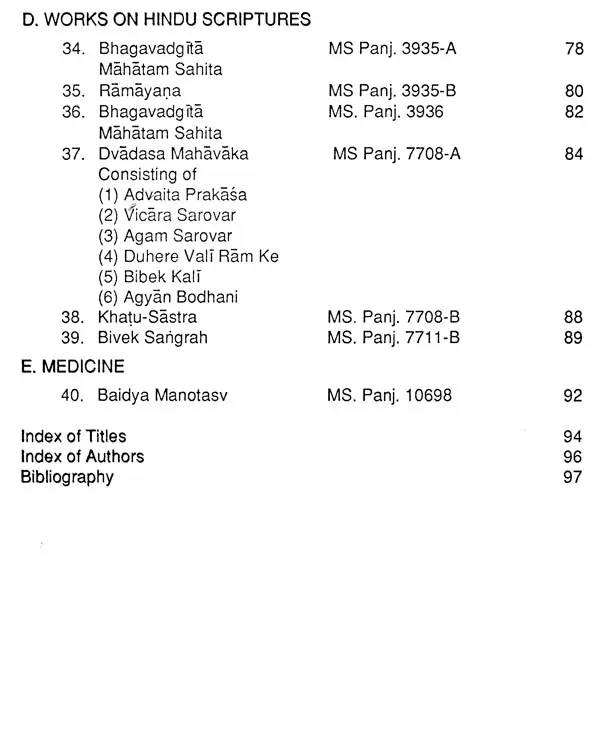
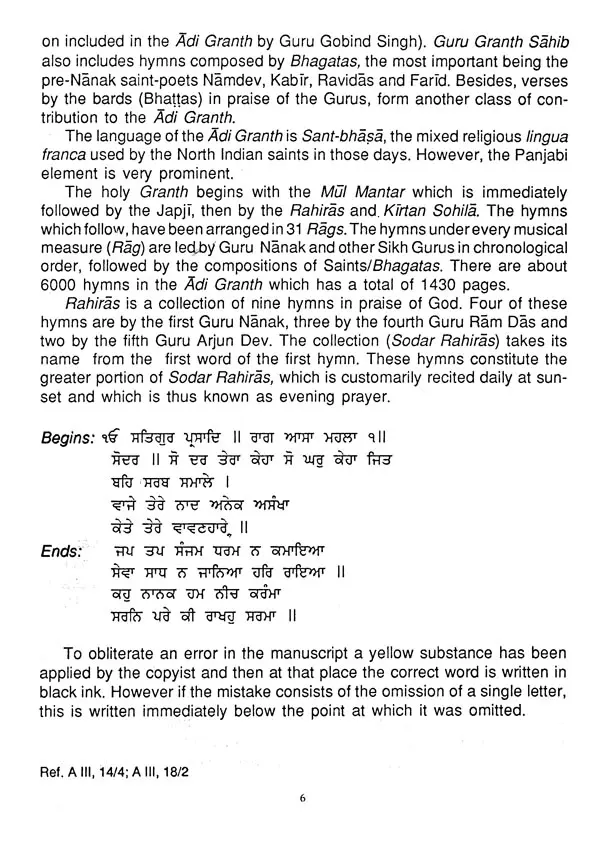
Book's Contents and Sample Pages