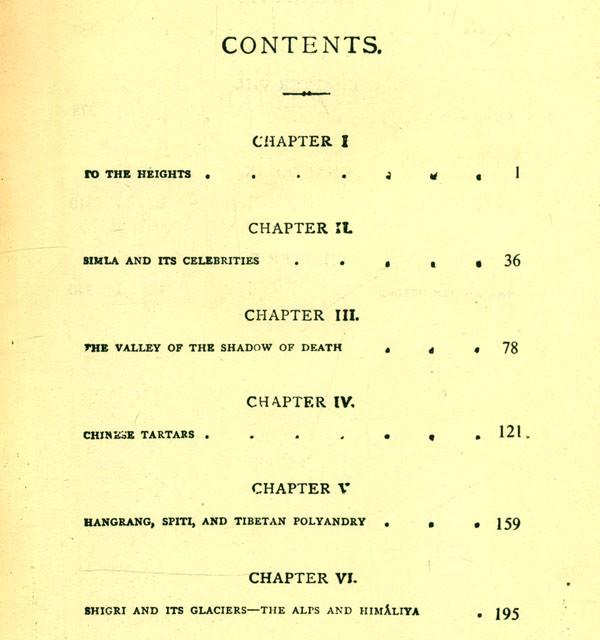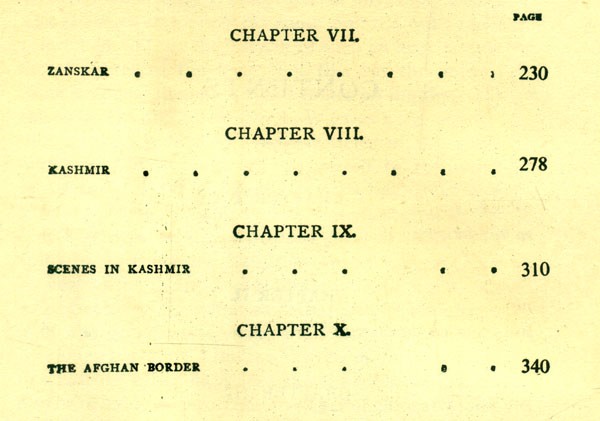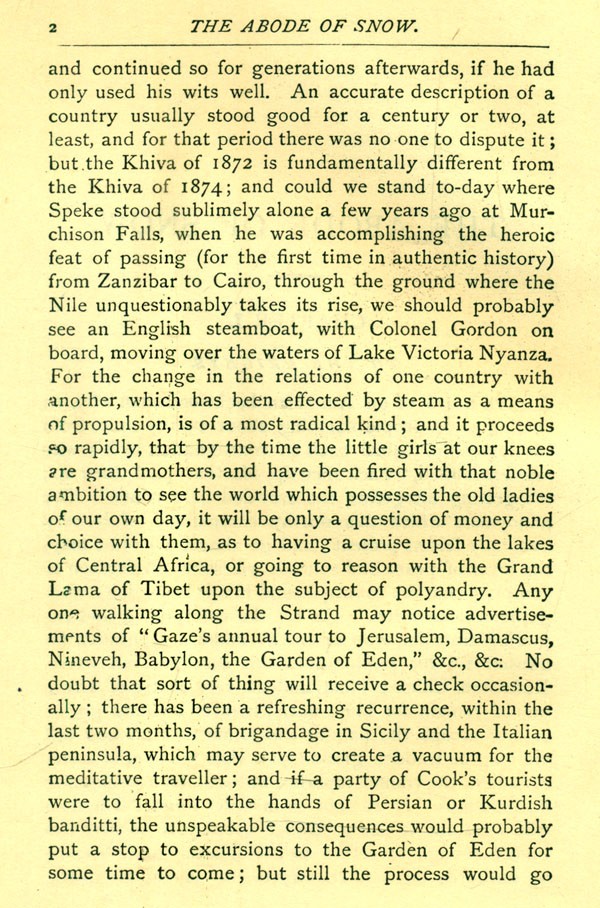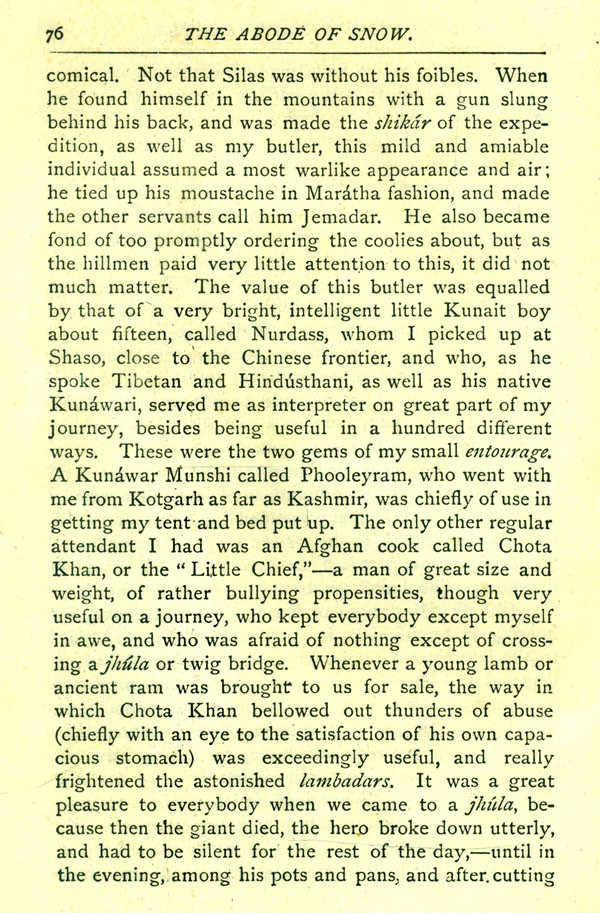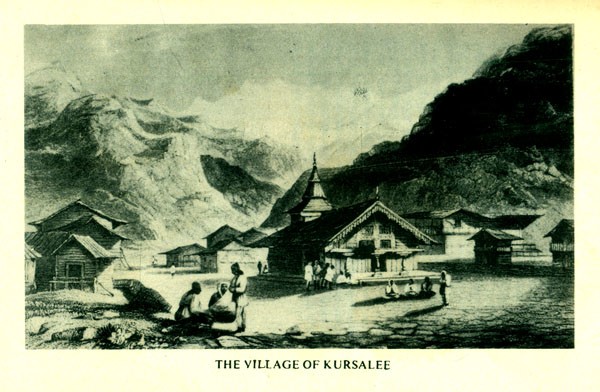


The Abode of Snow- Observations on a Tour from Chinese Tibet the Indian Caucasus, Through the Upper Valleys of the Himalayas (An Old and Rare Book)
Book Specification
| Item Code: | UAS086 |
| Author: | Andrew Wilson |
| Publisher: | Ratna Pustak Bhandar, Nepal |
| Language: | English |
| Edition: | 1979 |
| Pages: | 398 (Throughout B/w Illustrations) |
| Cover: | HARDCOVER |
| Other Details | 9.00 X 6.00 inch |
| Weight | 610 gm |
Book Description
How near such a catastrophe may be, and whether, when it occurs, a few just men (and, it is to be hoped, women also) will certainly be left in the upper valleys of the Himalaya, I am unable to say; but it is well to know that there is an elevated and habitable region of the earth which is likely to be left undepopulated even by such an event as that just alluded to. Whether humanity will lose or gain by having to begin again from the simple starting-point of "Om mani padme haun" (vide p. 257) is also a subject on which I feel a little uncertain; but we may at least hope that the jewel in the lotus will not be lost; that what has accrued to it from the efforts and the agony of so many thousand years, of so many hundreds of human generations, may pass over to the inhabitants of a newly-formed earth. And when we come to con sider what the grand valuable results of this our awful striving, our dread history, have been, most of what we are given to boast of will have to be relinquished as worthless, and we may, even as Christians, be glad to take refuge in the comprehensive Lama prayer, "O God, consider the jewel in the lotus. They will be done." For, however appalling may have been the amount of human crime and woe, however pitiable our mistakes and ineffectual our struggles, there has ever been a jewel in the rank lotus of human life-something beautiful in it which is not of it, yet is mysteriously connected with, and hidden within, it. Viewed in this light the Lama prayer has a touching significance, and is not without a great lesson for us all.
**Contents and Sample Pages**