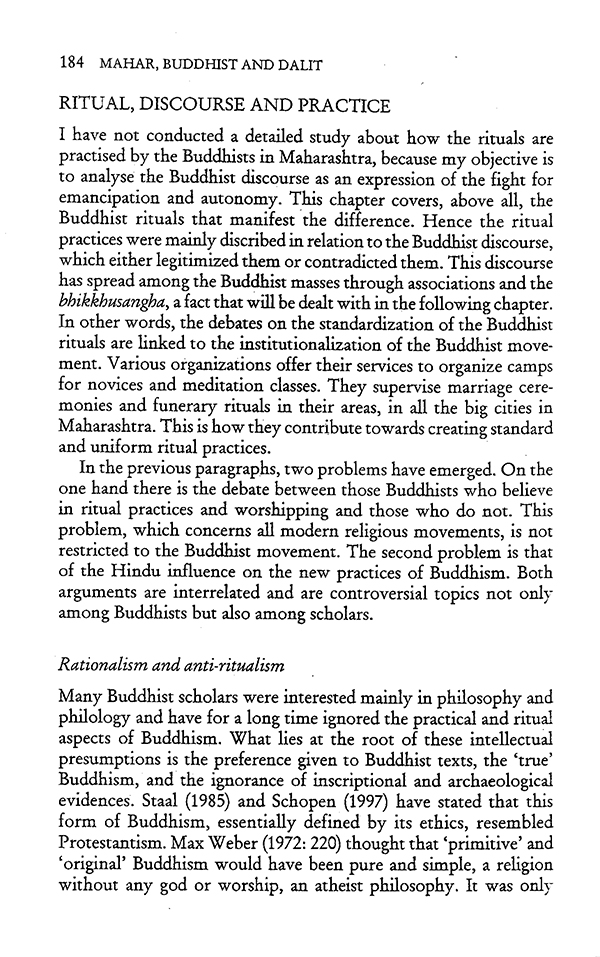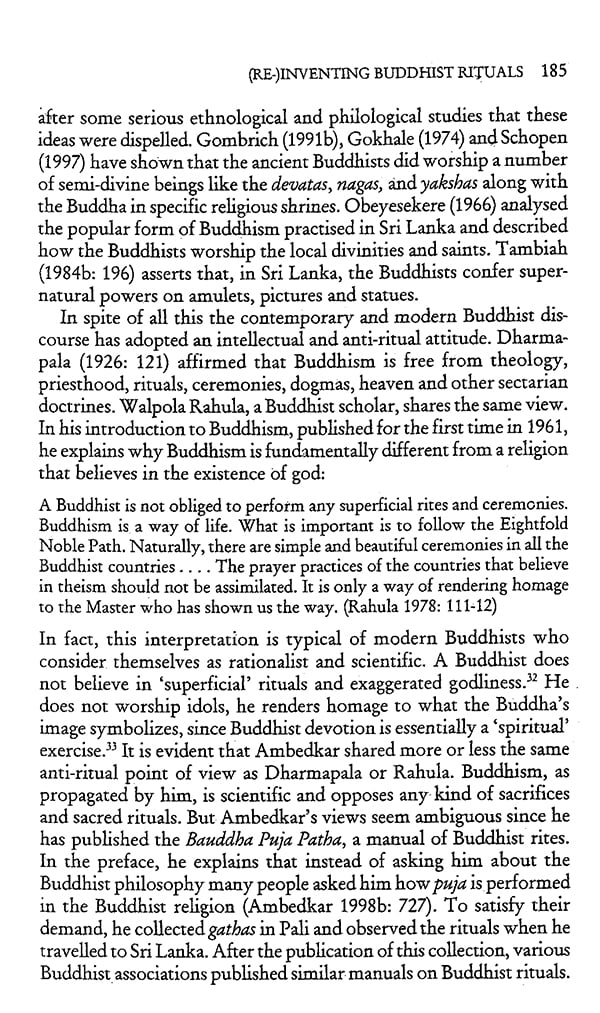


Mahar, Buddhist And Dalit (Religious Conversion and Socio-Political Emancipation)
Book Specification
| Item Code: | NAZ050 |
| Author: | Johannes Beltz |
| Publisher: | Manohar Publishers and Distributors |
| Language: | English |
| Edition: | 2005 |
| ISBN: | 9788173046209 |
| Pages: | 314 (13 B/W Illustrations) |
| Cover: | HARDCOVER |
| Other Details | 9.00 X 5.80 inch |
| Weight | 480 gm |
Book Description
Bhimrao Ambedkar born in a Mahar (untouchable caste) family converted to Buddhism at Nagpur in Maharashtra in 1956. Buddhism was for him the only religion which could solve the problems of social inequality and caste. Thousands of untouchables in the state in support followed his example against their social exclusion. Today almost the majority of the Mahars (more than 5 million) consider themselves Buddhists.
The objective of this book is to analyse the discourses, representations, ritual practices and institutions of this community. Two aspects of the conversion are to be distinguished: one, the attempt of the Mahar community to achieve social ascension and emancipation; and the other, a project of reform which addresses the Indian society in its totality. The traditional hierarchical and unequal social Hindu order is opposed by a Buddhist alternative of a society based on equality, justice and progress. Analysing discursive situations and interactions of Buddhists with other social groups, the author argues that Buddhism should be viewed more as an open camp of discursive practices than a fixed system of religious beliefs or dogmas. The paradoxes and the singularity of this type of Buddhism seems to challenge the very category of Buddhism itself.
Johannes Beltz is Assistant Curator of Indian Art at the Museum Rietberg in Zurich, Switzerland since 2002. After pursuing ethnographic, religious and Indian studies at the universities of Halle, Strasbourg, Paris, Lausanne and Heidelberg, the author in 1994 proceeded for his first fieldwork to Maharashtra where he focussed on the emancipation of the so called 'untouchable' castes and their collective conversion to Buddhism. Several stays followed before he submitted his Ph.D. dissertation at the universities of Lausanne and Paris. In 1999 the author started researching on Orissa at Heidelberg's South Asia Institute.
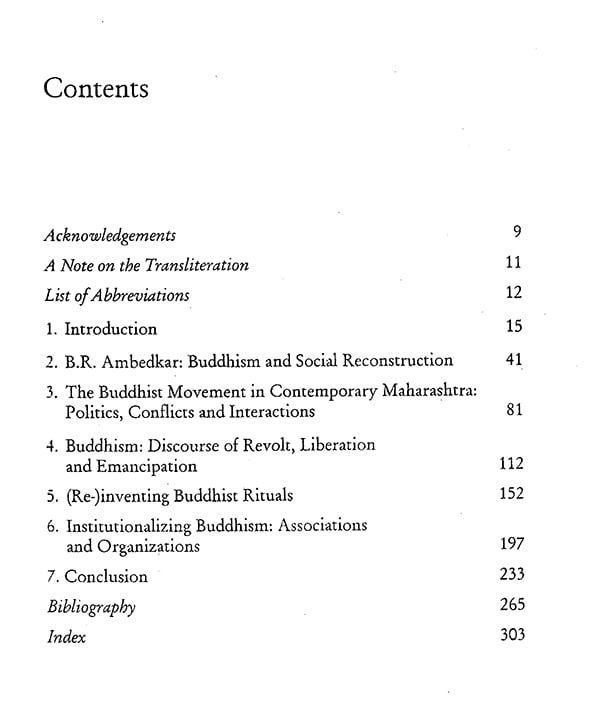
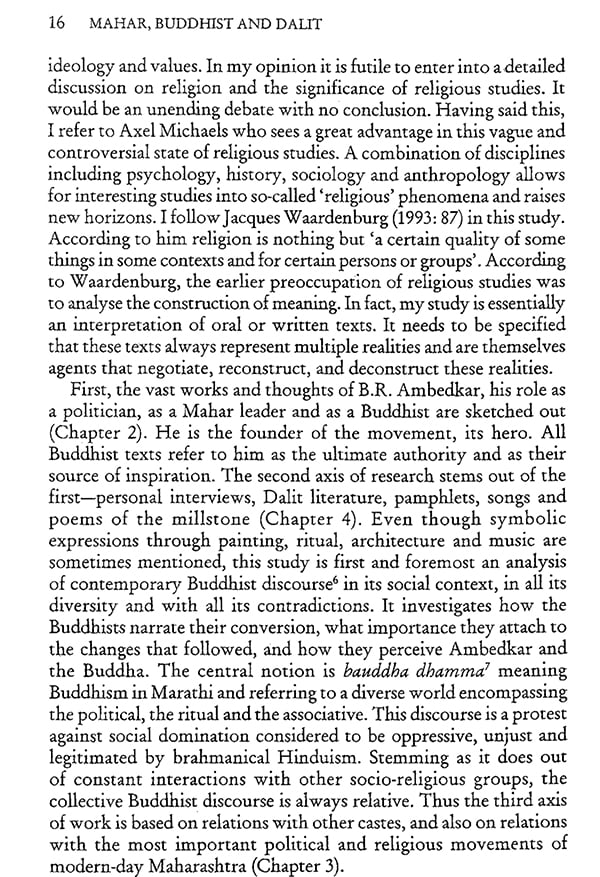
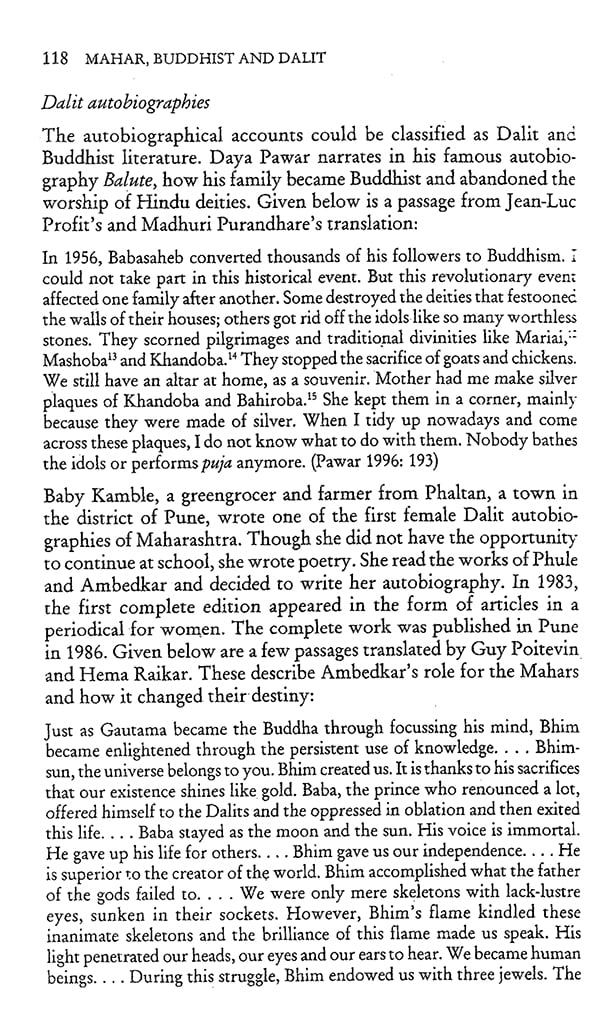
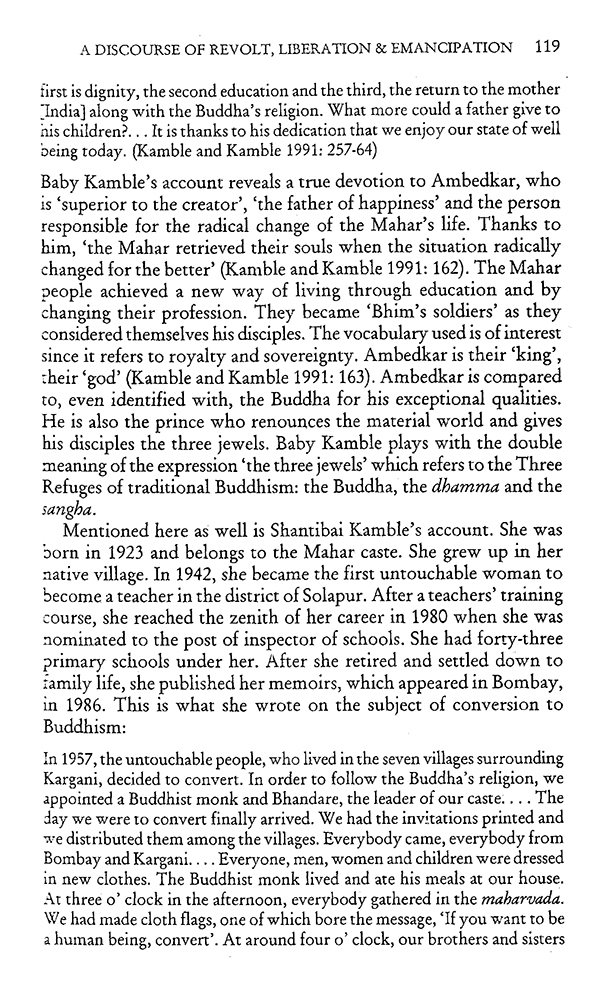
**Contents and Sample Pages**