

Dalit Women: Issues and Perspectives
Book Specification
| Item Code: | UAR056 |
| Author: | Arvind Prakash |
| Publisher: | Peridot Literary Books |
| Language: | English |
| Edition: | 2019 |
| ISBN: | 9789389404036 |
| Pages: | 272 |
| Cover: | HARDCOVER |
| Other Details | 9.50 X 6.50 inch |
| Weight | 560 gm |
Book Description
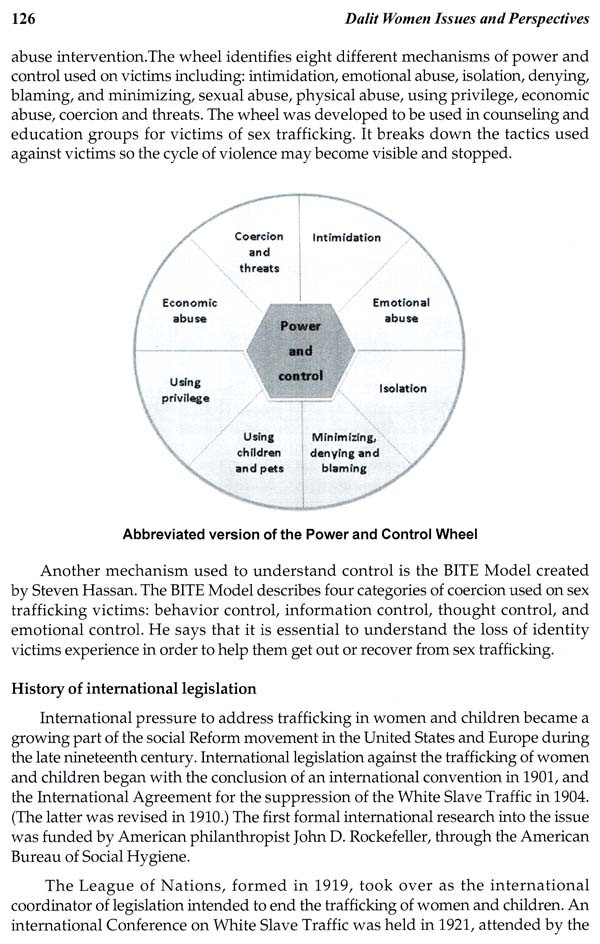
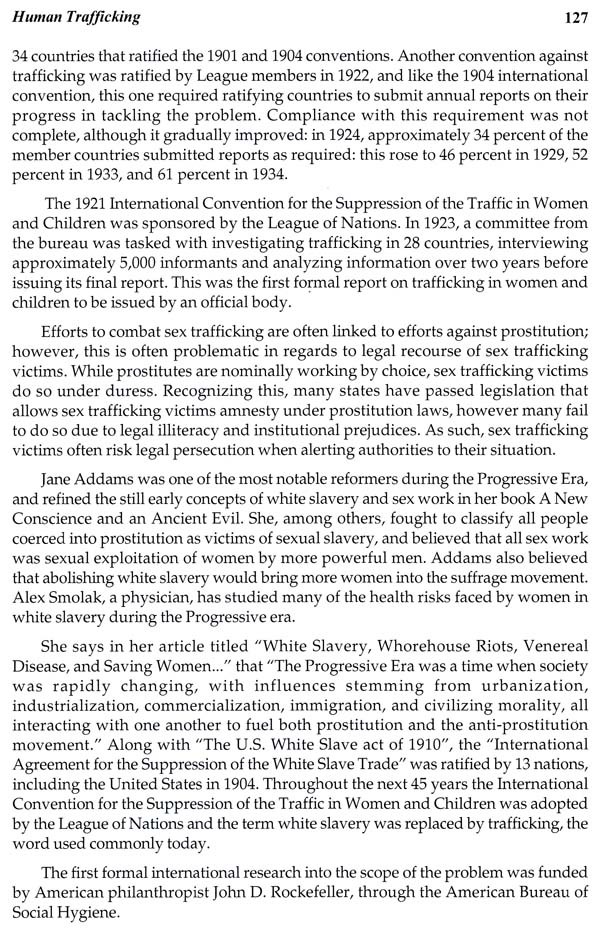
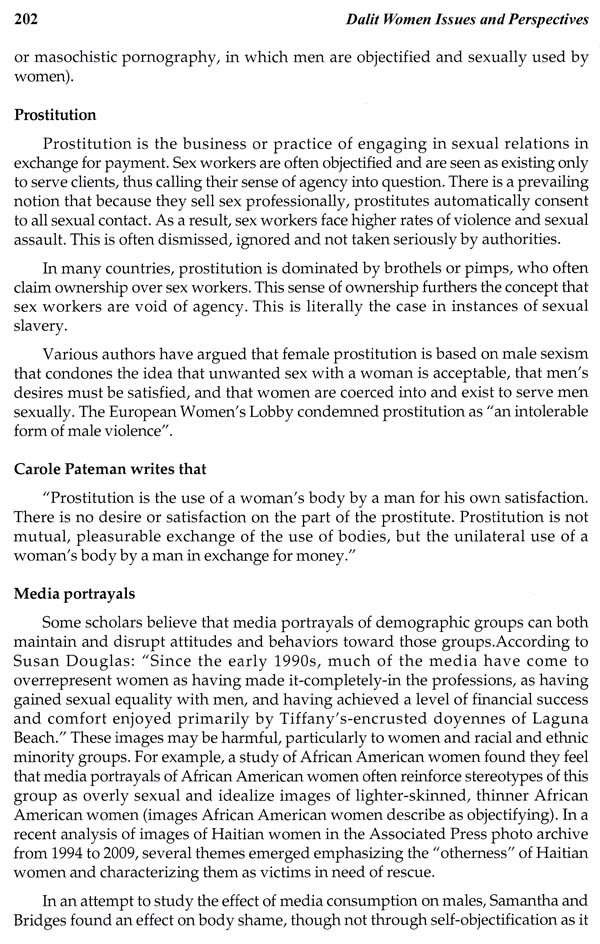
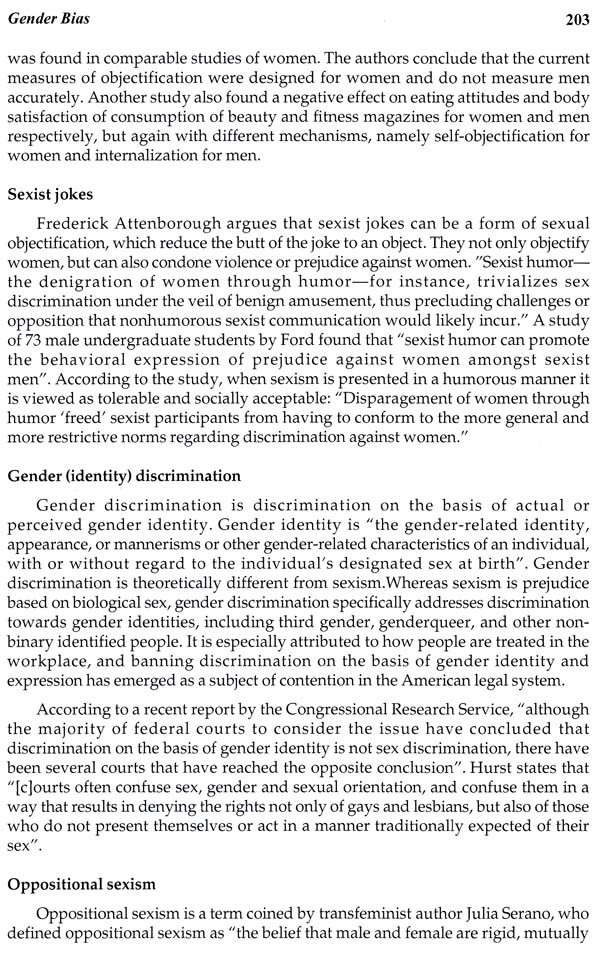
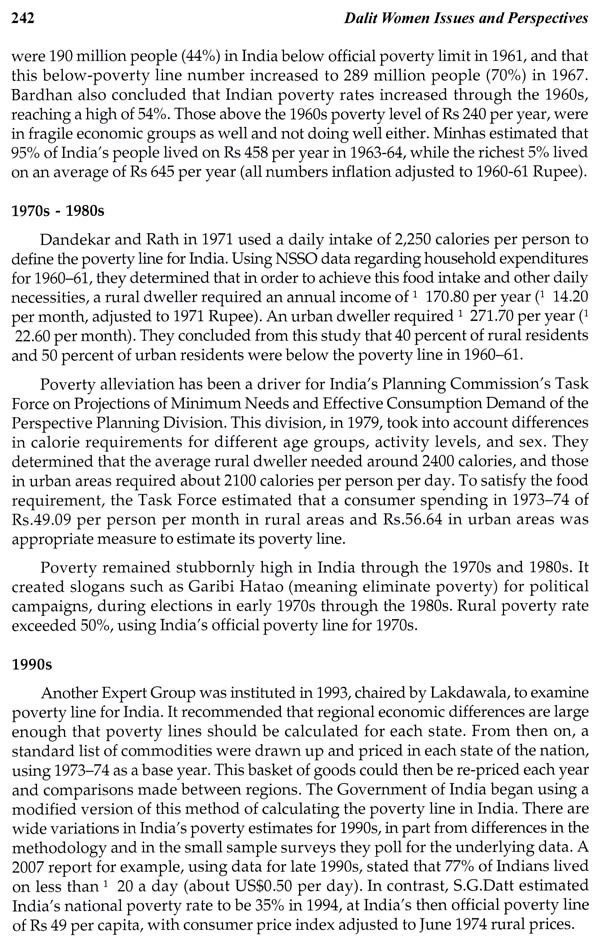
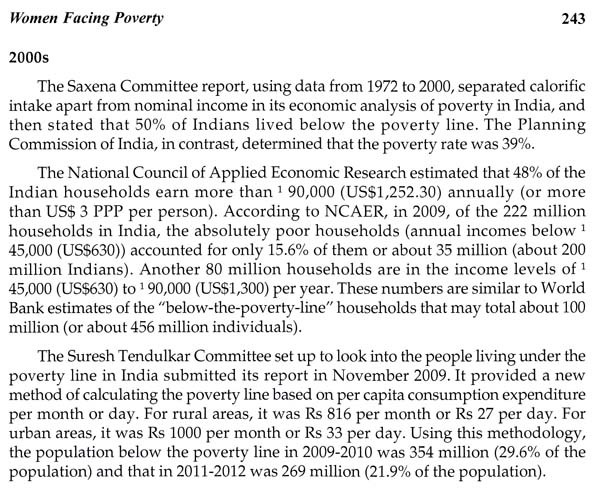
Dalit is a designation for a group of people traditionally regarded as untouchable. The highest population of this class of people have been recorded in India. Dalits are those classes of people who are not only considered as untouchable but also deprived of their basic right to life. According to Ancient Indian System, Dalits, basically are those people which does not belong to any of the four castes i.e. Brahmin, Vaishya, Kshayatriya, Sudhras. They are out casted or does not belong to any of the four castes and tend to do such impure works such as sweeping roads, cleaning toilets, removal of rubbish etc. They are not a particular caste or class of people but are divided into many small groups. Due to their nature of work, they have been, on many occasions, deprived of their basic necessities and rights.
Professor Arvind Prakash is a prolific writer, and has in his credit, 17 books and more than 50 research papers published in various journals and volumes. He is the recipient of Dr. B.R. Ambedkar National Fellowship.
Dalit is a designation for a group of people traditionally regarded as untouchable. The highest population of this class of people have been recorded in India. Dalits are those classes of people who are not only considered as untouchable but also deprived of their basic right to life. According to Ancient Indian System, Dalits, basically are those people which does not belong to any of the four castes i.e. Brahmin, Vaishya, Kshayatriya, Sudhras. They are out casted or does not belong to any of the four castes and tend to do such impure works such as sweeping roads, cleaning toilets, removal of rubbish etc. They are not a particular caste or class of people but are divided into many small groups. Due to their nature of work, they have been, on many occasions, deprived of their basic necessities and rights.
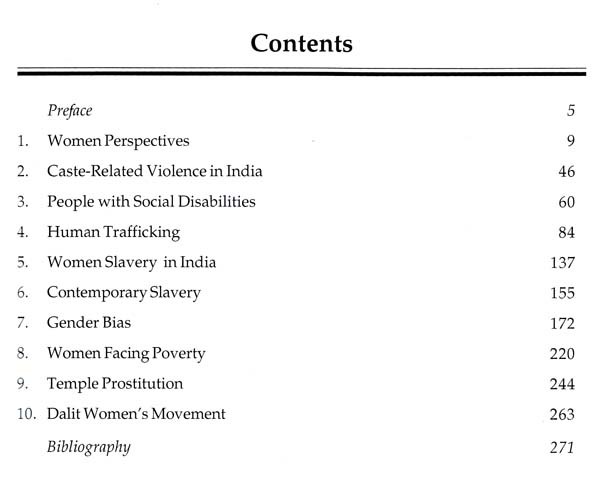
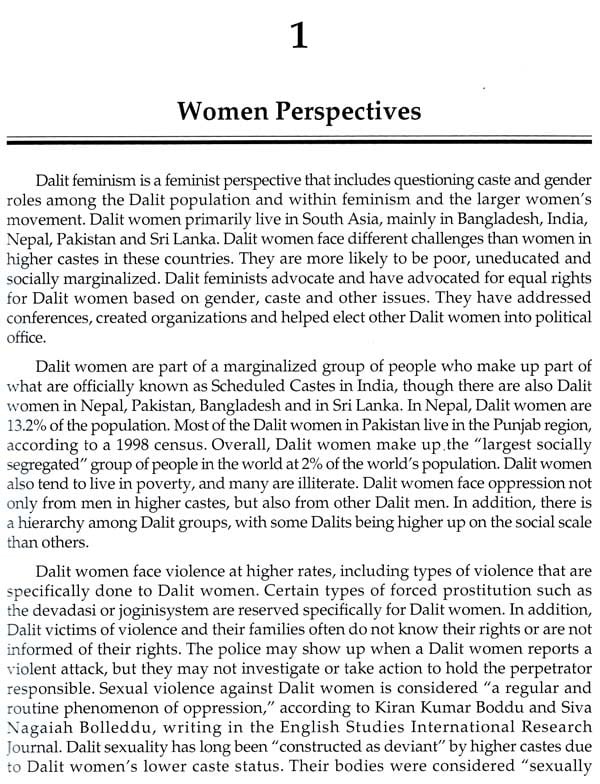
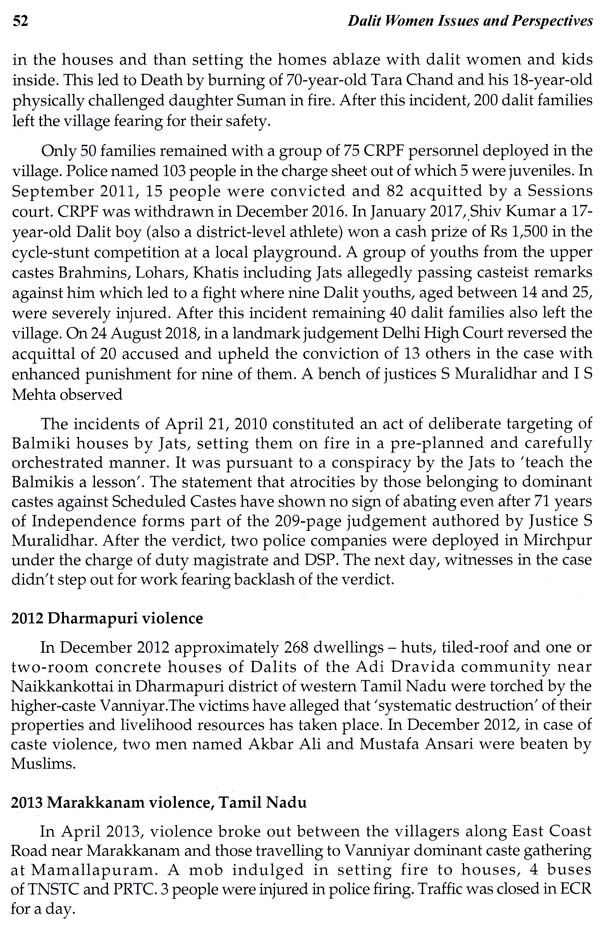
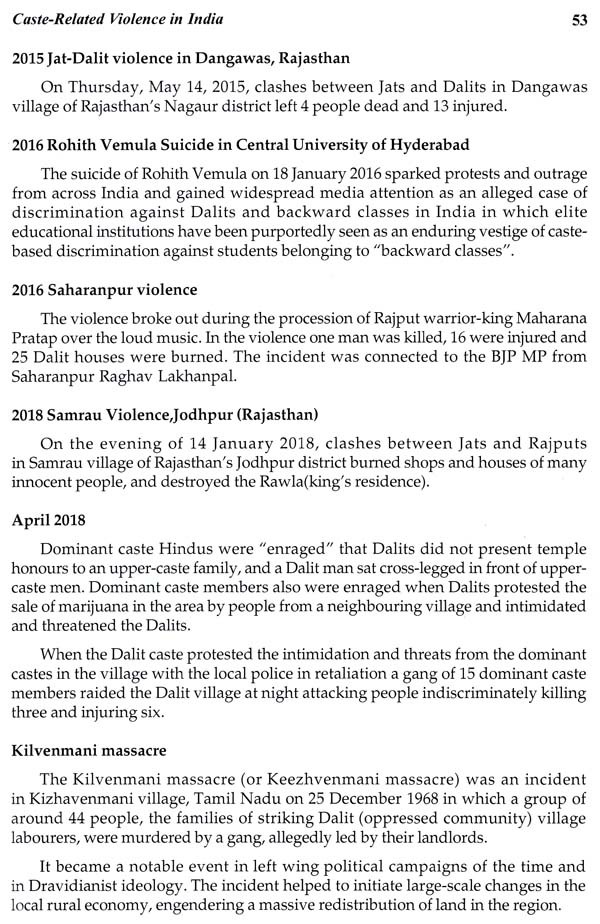
**Contents and Sample Pages**