

India-50 Years of Independence- 1947-97 Status, Growth & Development: Muslims (Part-18)
Book Specification
| Item Code: | UAQ099 |
| Author: | S.H.M. Rizvi, Shibani Roy and B.B. Dutta |
| Publisher: | B.R. Publishing Corporation |
| Language: | English |
| Edition: | 1998 |
| ISBN: | 9788176460064 |
| Pages: | 324 |
| Cover: | HARDCOVER |
| Other Details | 9.00 X 6.00 inch |
| Weight | 410 gm |
Book Description
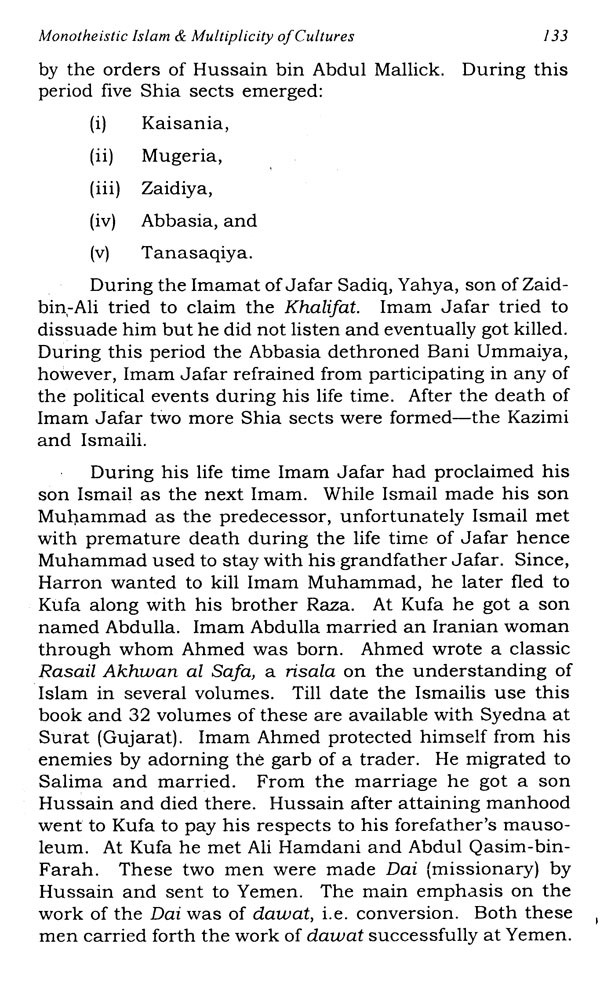
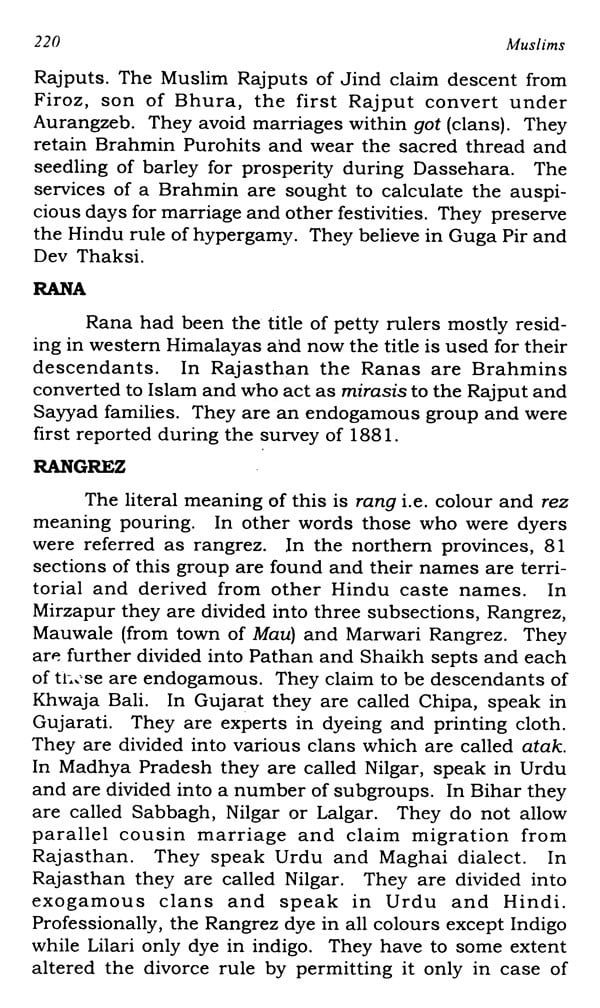
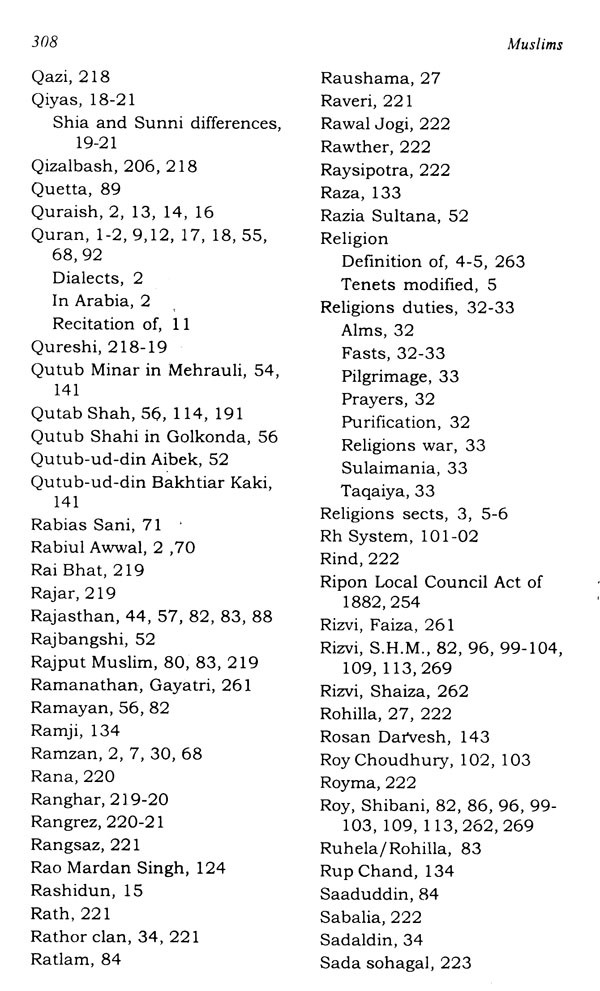
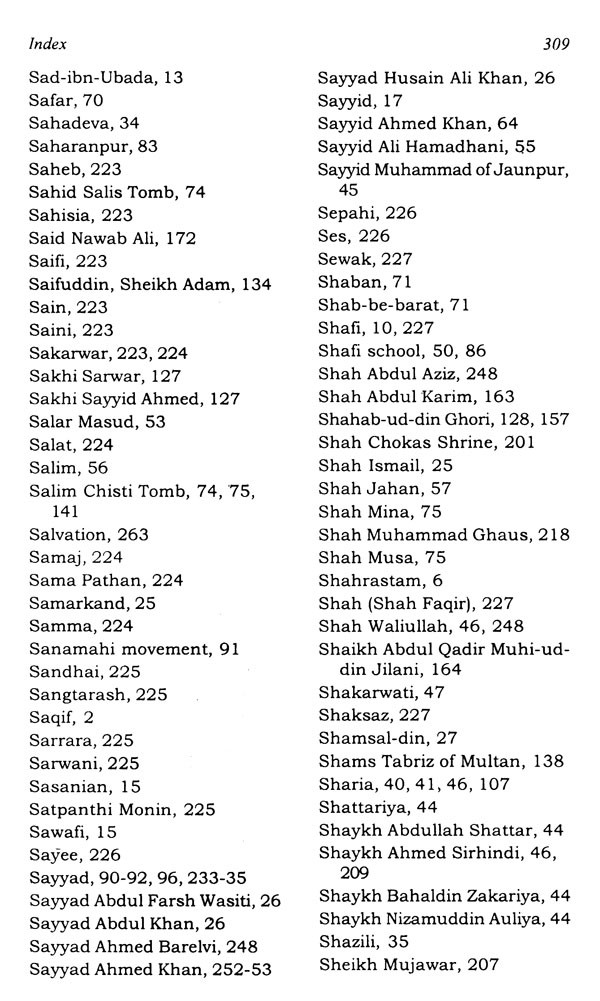
The book attempts to demolish the concept of Muslim-ness and Islam being uniting forces binding the bio-culturally divergent groups under one banner.
Shibani Roy (Ph.D., University of Delhi) is engaged in research since 1969. She has written eleven books concerning various aspects of anthropology. She has conducted field work in northern, north western, western and north-eastern India among the tribes, castes and religious minorities. Her books Status of Muslims Women in Northern India, Koli Culture, Muslims: Bio-cultural Perspective, Dawoodi Bohras: Anthropological Perspective, Dhodia Identity, Nicotine Water to Heroin, In Search of Roots, and Tribal Customary Laws of North-East India have been well received by the reviewers. Her 50 research papers published in Indian and Foreign journals encompass the holistic approach in Anthropology. She is currently holding the post of Superintending Anthropologist in Government of India.
B.B. Dutta (Ph.D., Gauhati University) manages three separate careers as a professor, research scholar and founder chairman of non-governmental organisations engaged in understanding Indian plurality through collecting base line data. He is supervising research projects in socio-economic development of tribes of north-east India. He has edited a large number of books based on research papers presented in seminars, symposium and workshops organised by organisations with whom he has been associated with. His research papers published in Indian and international journals have evoked interest among scholars of Social Sciences. He is currently a Member of Parliament.
(i) bearing witness that there is but one God, (ii) reciting the daily prayers, (iii) giving the legal alms (iv) observing the ramzan or a month's fast (v) making pilgrimage to Mecca once in a life time. The holy book of this religion is the Quran which says "Say (0 Muhammad), We believe in Allah and that which is revealed unto us and that which was revealed unto Abraham and Ismael and Issac and Jacob and the tribes, and that which was vouchsafed unto Moses and Jesus and the Prophets from their Lord. We make no distinction between any of them, and unto Him we have surrendered (Sura III; 84).
Muhammad was born on the twelfth day of Rabiulawwal (A.D. 571) at Mecca as posthumous son of Abdullah by his wife Aminah. Abdullah belonged to the family of Hashim, of Quraish tribe. During his formative years he was under the patronage of Abu Talib who introduced him to the service of Khadija-a rich widow of Quraish tribe. He was incharge of her merchandise and had to travel to distant areas. During these business trips, Muhammad got acquainted with Jewish and Christian way of life.
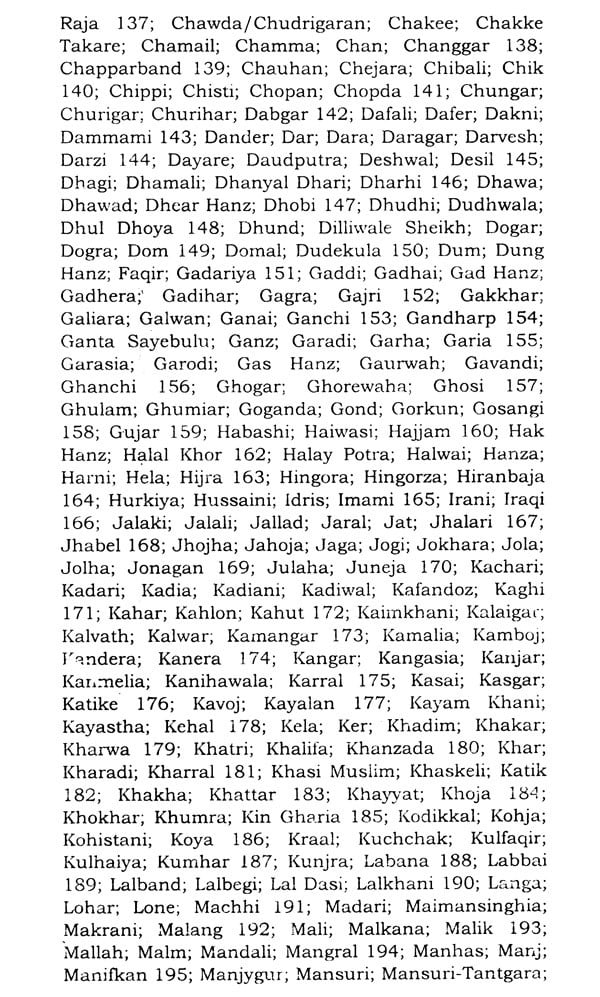
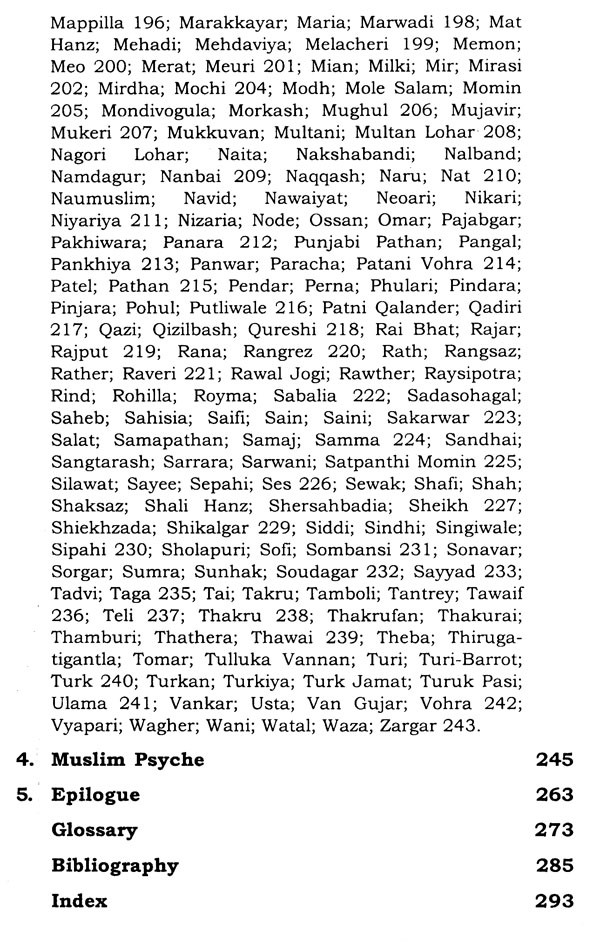
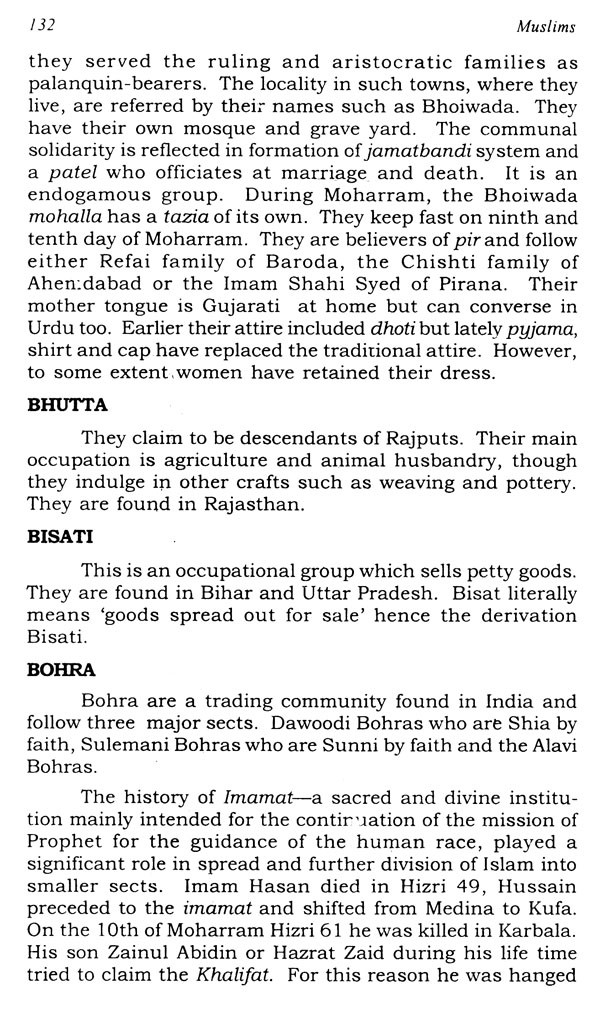
**Contents and Sample Pages**