

Indian and South-East Asia
Book Specification
| Item Code: | UBB881 |
| Author: | Lokesh Chandra |
| Publisher: | International Academy of Indian Culture and Aditya Prakashan |
| Language: | THAI AND ENGLISH |
| Edition: | 2020 |
| ISBN: | 9788194085096 |
| Pages: | 272 (Throughout B/w Illustrations) |
| Cover: | HARDCOVER |
| Other Details | 11.00 X 9.00 inch |
| Weight | 1.07 kg |
Book Description
The Ramayaṇa, Buddhist grottos, Sanskrit element in vocabulary, literature and inscriptions in Laos are detailed in the second part. Simhalese terms, the Swabhasha movement, to say goodbye to English, new interpretation of the Sigiriya caves, worship of Hindu gods in devale, the colossus of Avukana recover an emerging world.
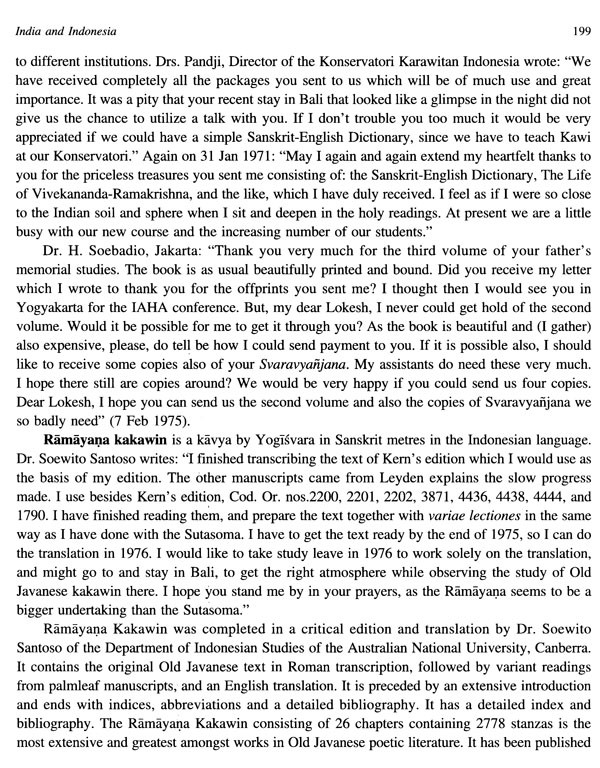
The fourth part on Indonesia essays the development of Old-Javanese studies in India, events that led to the restoration of Borobudur, First International Rāmāyaṇa Festival and Seminar in Indonesia, the 140 meter high Visnu erected by the Government in 1997, voyage of friendship to Bali, identification of the syena-citi at Candi Sukuh, and Balinese intellectuals.
The book ends with a short account of the role of Champa on the coastline of Vietnam in taking Sanskrit manuscripts to China and Indian dances to Japan, as a vibrant centre of dharma.
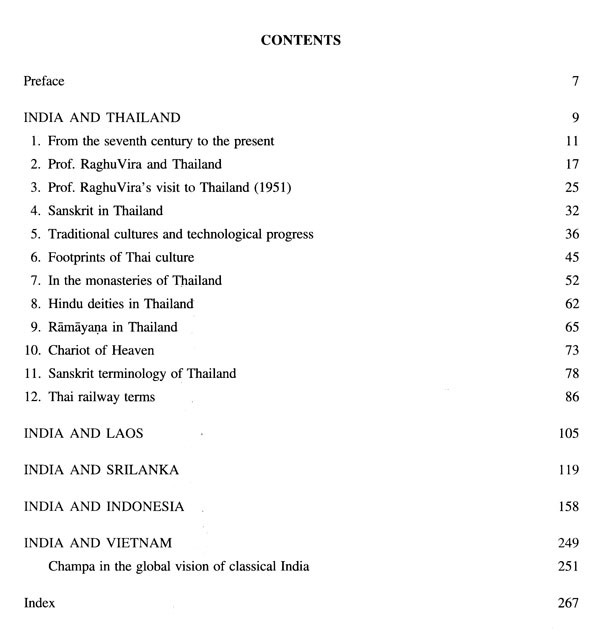
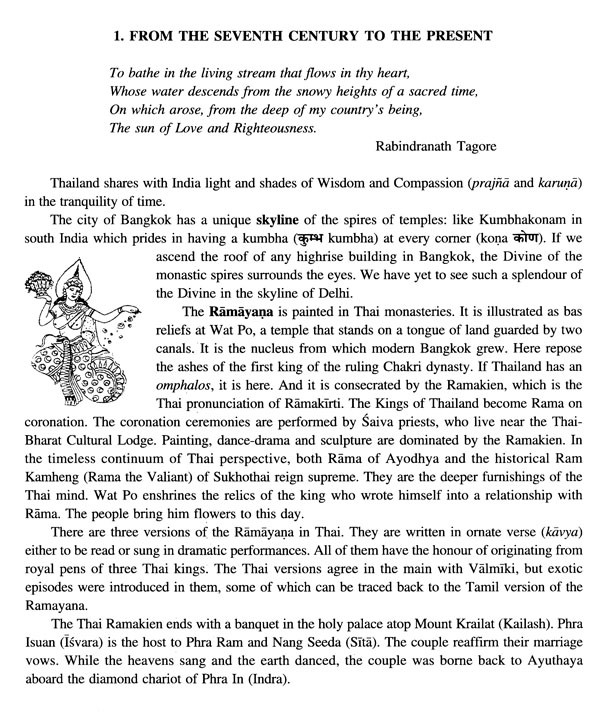
We begin with Thailand in whose heart flows the living stream of sacred time. The monastic skyline of Bangkok, Rama X as her king, Ramakien in performances, and the original homeland of the Thais in the all-Yunnan kingdom of Nanchao echo their past and present. Prohibition of cow slaughter (p.16), Sanskrit terms in daily life, in academia and administration, Sanskrit names of Thai cities are our shared empire of words.
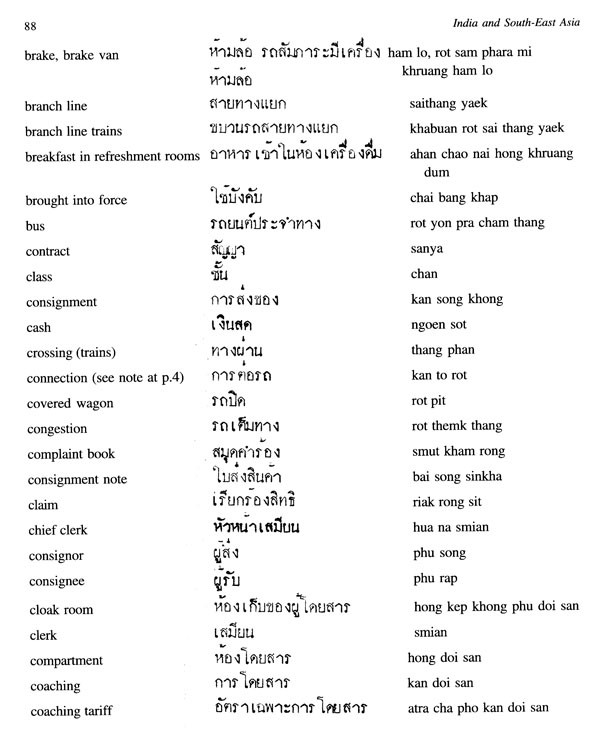
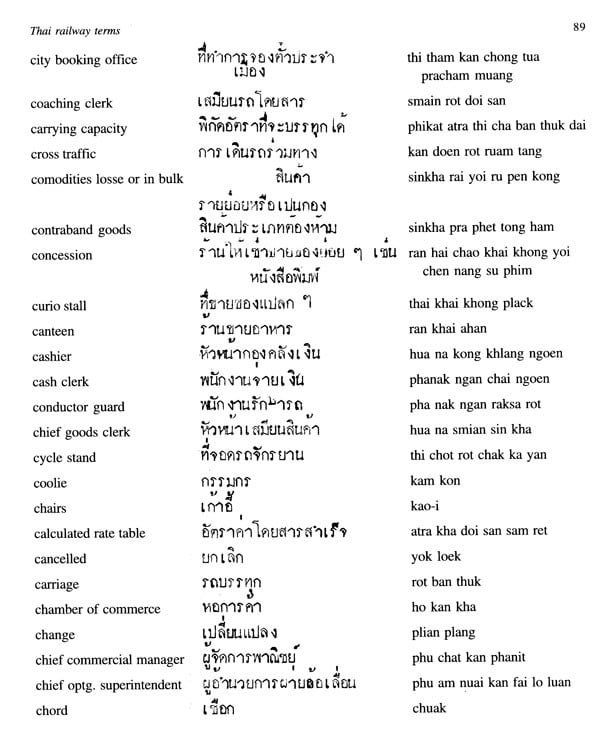
They are followed by Prof. RaghuVira's conversations with Thai intellectuals, his visit to the Royal Brahmana temple, the role of traditional cultures and technological progress, Thai decorations like "The Rama Medal' are their richesse. I have detailed my visit to Thai monasteries in 1970, a prayerful ramble early in the morning at 4.30 am to Wat Arun, the temple of the Rising Sun to witness the divine radiance of the gayatri hymn that we have recited over millennia. Bangkok is a pilgrimage for us where we can witness Brahma holding the Four Vedas in his four hands and being worshipped by thousands of young boys and girls whose overbrim offerings of flowers have to be carried away by trucks every fifteen minutes. Thai manuscripts illustrating Hindu deities, evolution of the Rāmāyaṇa, the Trisula Throne Room, the Chariot of Heaven ritual on the 100th day of the demise of the late King Bhumibol, ubiquitous Sanskrit terminology of Thai are the smile of Thai culture that radiates serenity in modernity.
The second part relates the cultural relations of India and Laos. The giant image of the Buddha in the half-gloom of caves, sprawling monasteries, different traditions of music, the stories of the Pancatantra, or the Crown Prince of Laos writing a new version of the Ramayana, based on Valmiki in 1966 are horizons of the rising mind.
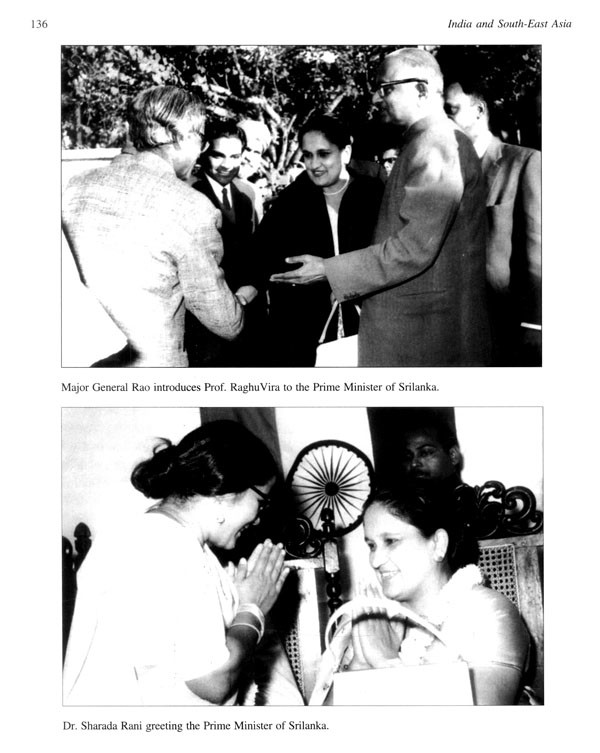
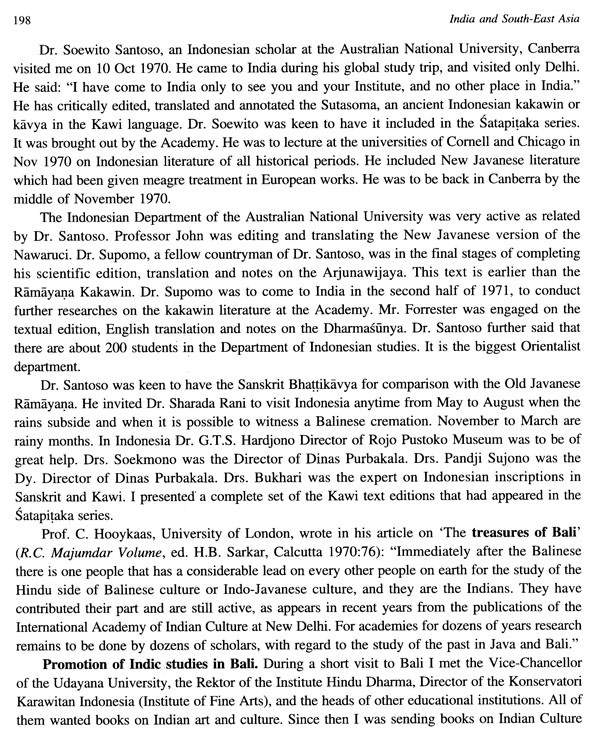
The third part pertains to Srilanka, the Land of Pali, where Prof. Raghu Vira was closely associated with the Swabhasha movement and he visited Colombo in 1954 to lend it strength.
**Contents and Sample Pages**