

Socio-Economics Status of Fisher Women: Continuity and Changes
Book Specification
| Item Code: | UAR265 |
| Author: | Nidhi Mishra |
| Publisher: | Peridot Literary Books |
| Language: | English |
| Edition: | 2019 |
| ISBN: | 9789389404470 |
| Pages: | 280 |
| Cover: | HARDCOVER |
| Other Details | 9.50 X 6.50 inch |
| Weight | 560 gm |
Book Description
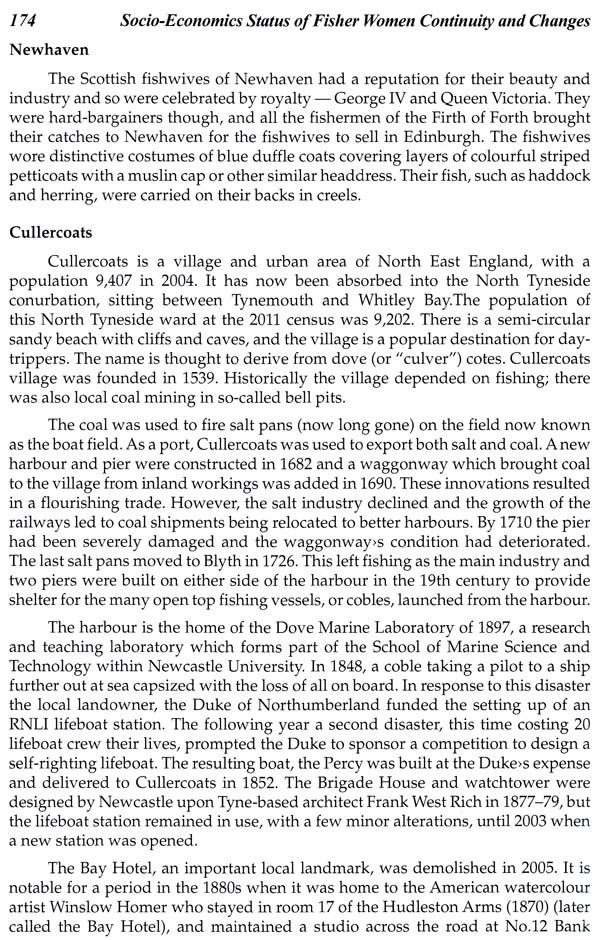
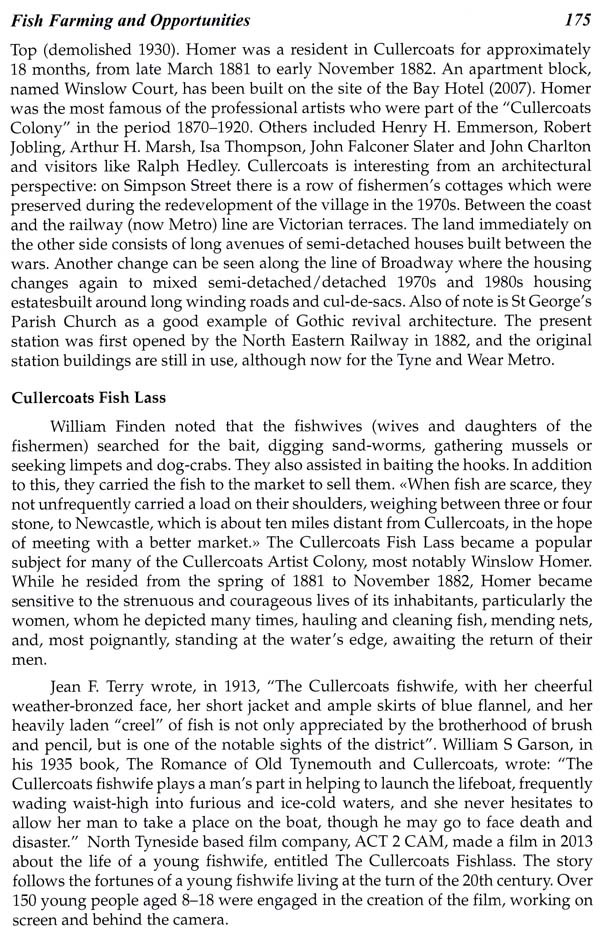
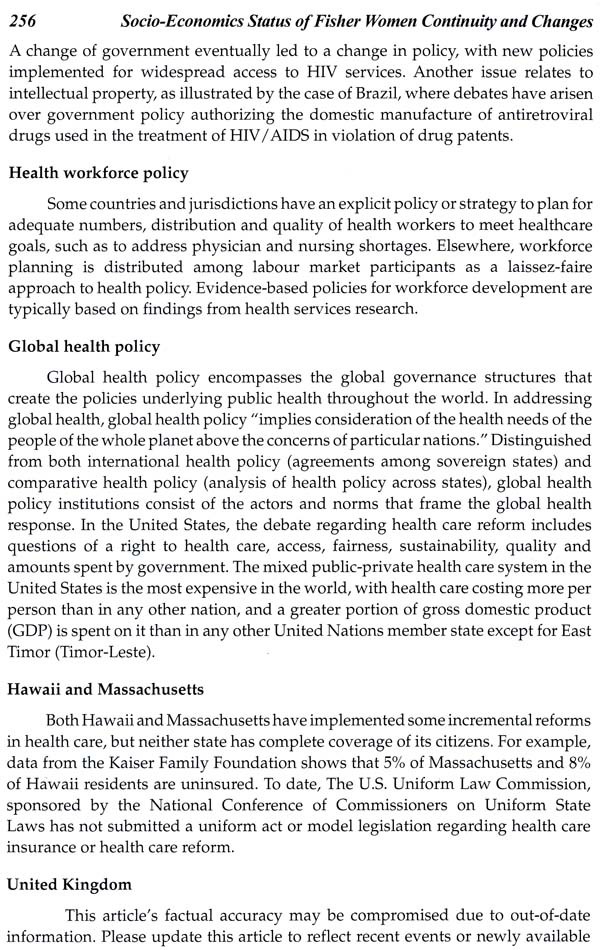
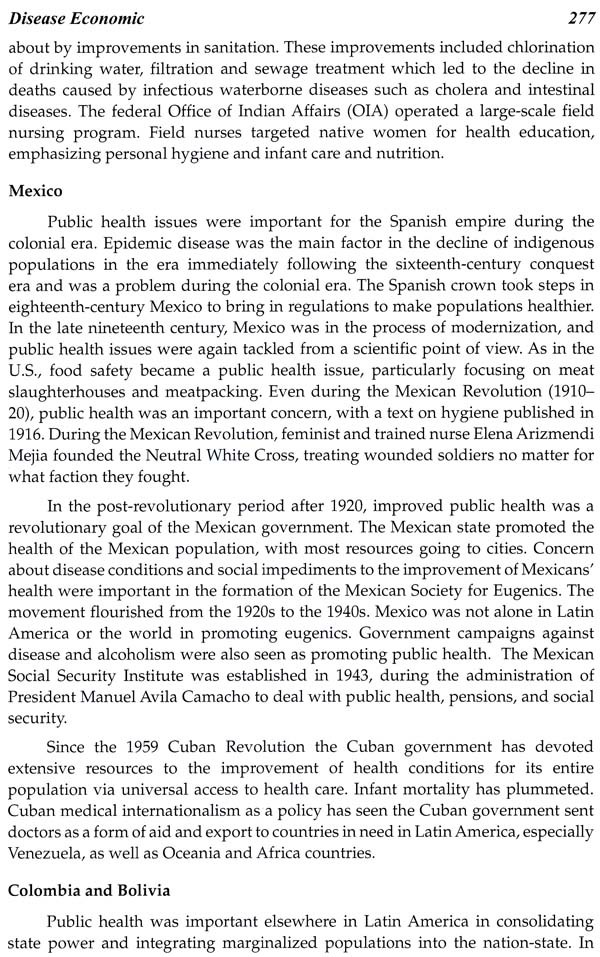
While women make up 85% of the workforce in jobs such as gutting, filling cans or other processing, it is rare for women to be in top management positions. A fact that is not the result of a lack of qualifications but rather invisible barriers and discrimination. Especially in developing countries, it is often cultural traditions, social conventions or even laws such as the right to property that are responsible. While men continue to dominate capture fisheries - particularly offshore and industrial fishing- women across all regions are often relegated to processing, local sale and support roles, including cleaning boats and bringing fish to market. These jobs are typically lower paid - in some cases unpaid - and less recognized for their contribution to the economy, employment and food security. Too often, the unofficial status of this work does not afford the women performing it to access the credit and financial resources that could make her work more efficient. But the study points out that it is not only an issue limited to small scale fisheries in developing countries.
Nidhi Mishra is Associate Professor, Centre for Policy Research in Higher Education. She has previously served as the Director, Dalit Studies (DS). She has a PhD in geography from Jawaharlal Nehru University and has worked on inter-group inequalities across human development indicators, focusing on the role of caste and gender-based discrimination in market and non-market institutions; diversity and discrimination within higher educational institutions, Mid-Day Meal and Anganwadi programmes and social protection policies.
While women make up 85% of the workforce in jobs such as gutting, filling cans or other processing, it is rare for women to be in top management positions. A fact that is not the result of a lack of qualifications but rather invisible barriers and discrimination. Especially in developing countries, it is often cultural traditions, social conventions or even laws such as the right to property that are responsible. While men continue to dominate capture fisheries - particularly offshore and industrial fishing- women across all regions are often relegated to processing, local sale and support roles, including cleaning boats and bringing fish to market. These jobs are typically lower paid - in some cases unpaid - and less recognized for their contribution to the economy, employment and food security. Too often, the unofficial status of this work does not afford the women performing it to access the credit and financial resources that could make her work more efficient. But the study points out that it is not only an issue limited to small scale fisheries in developing countries.
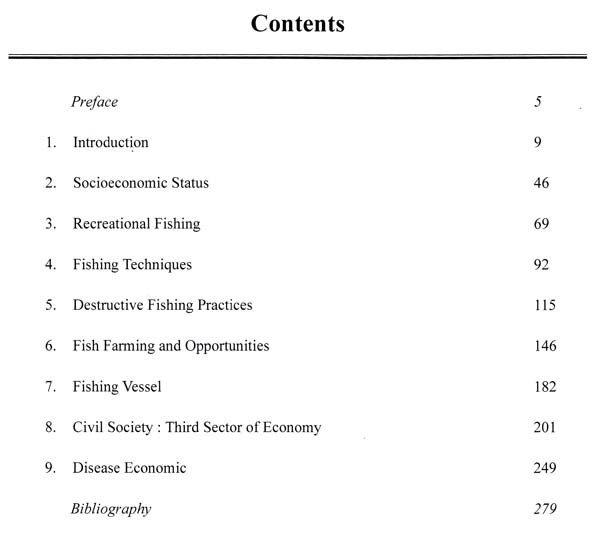
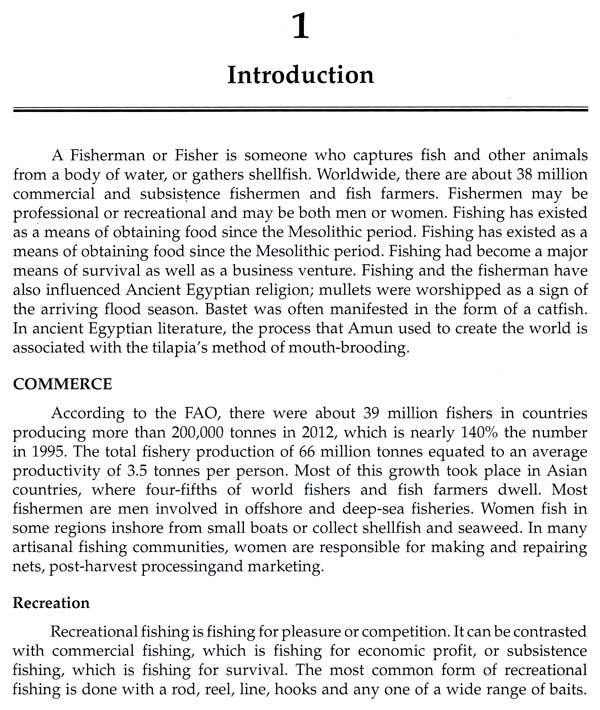
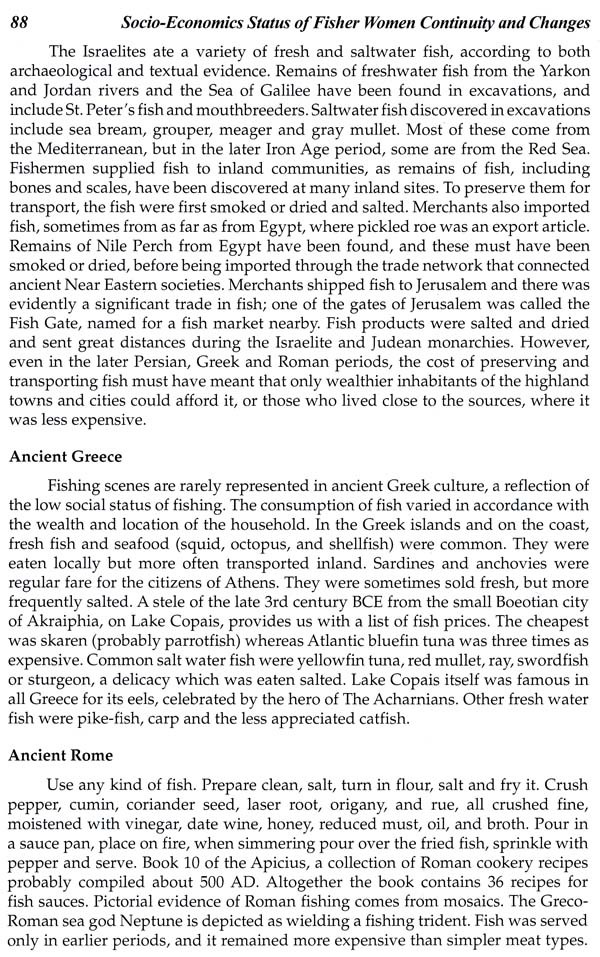
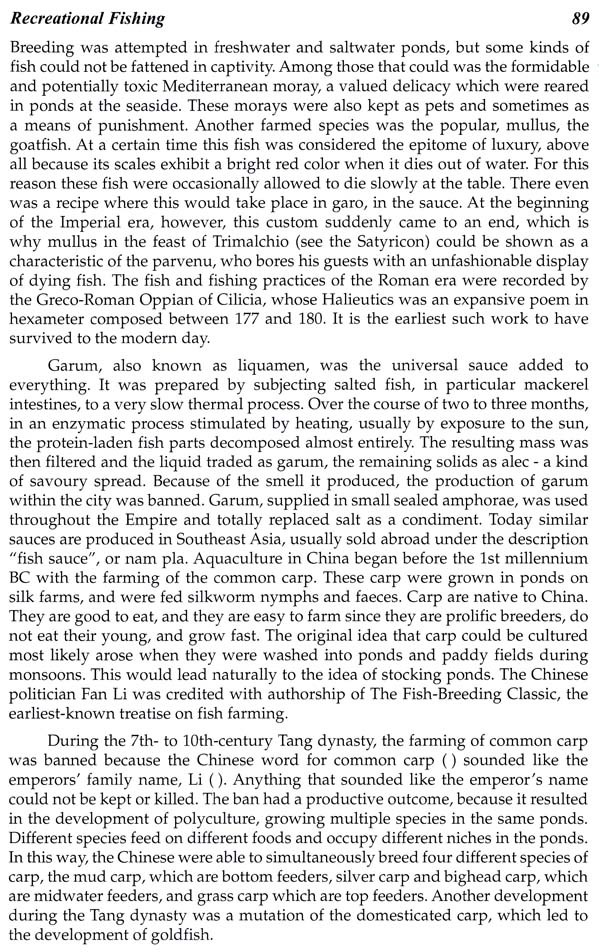
**Contents and Sample Pages**